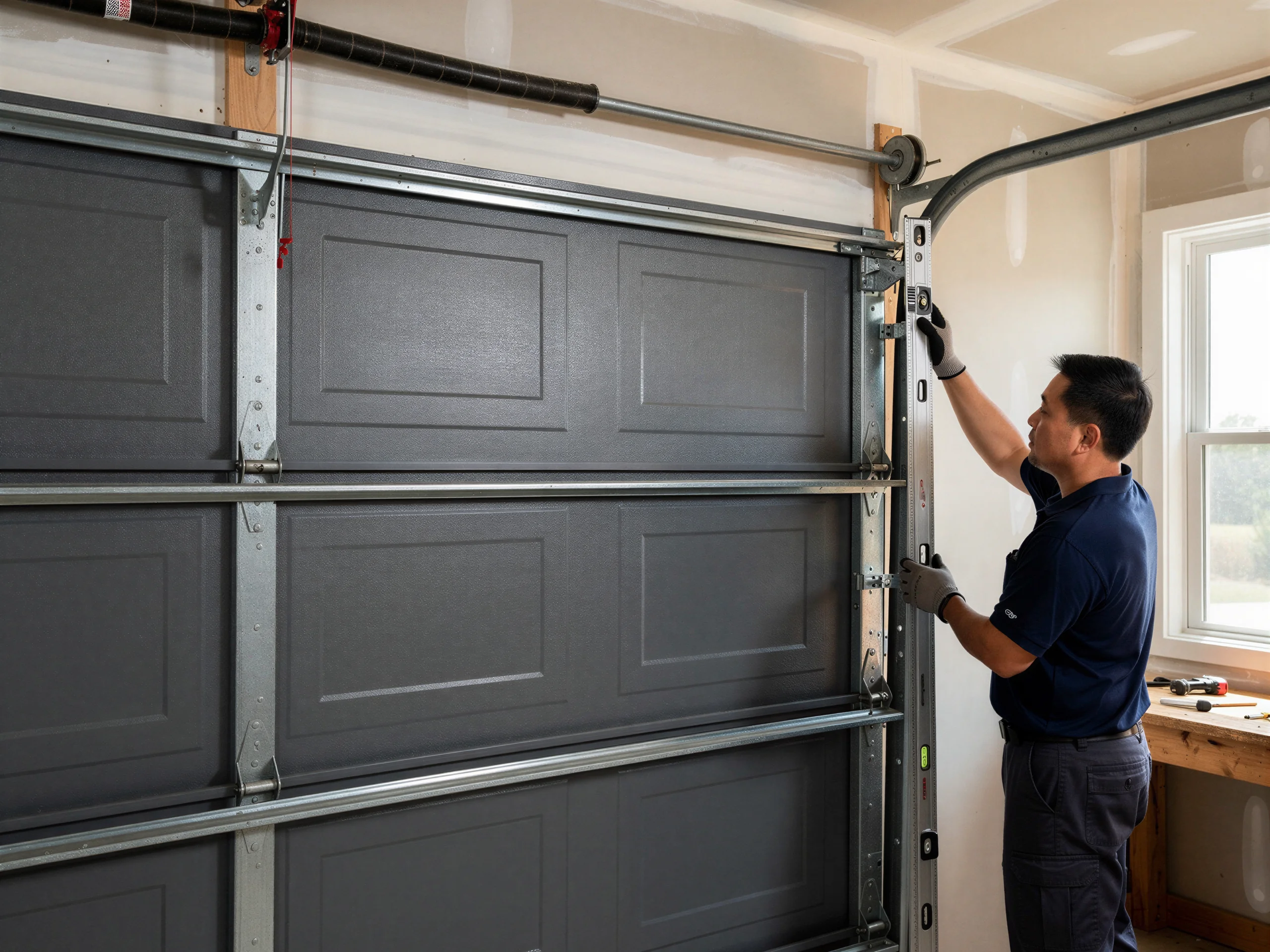
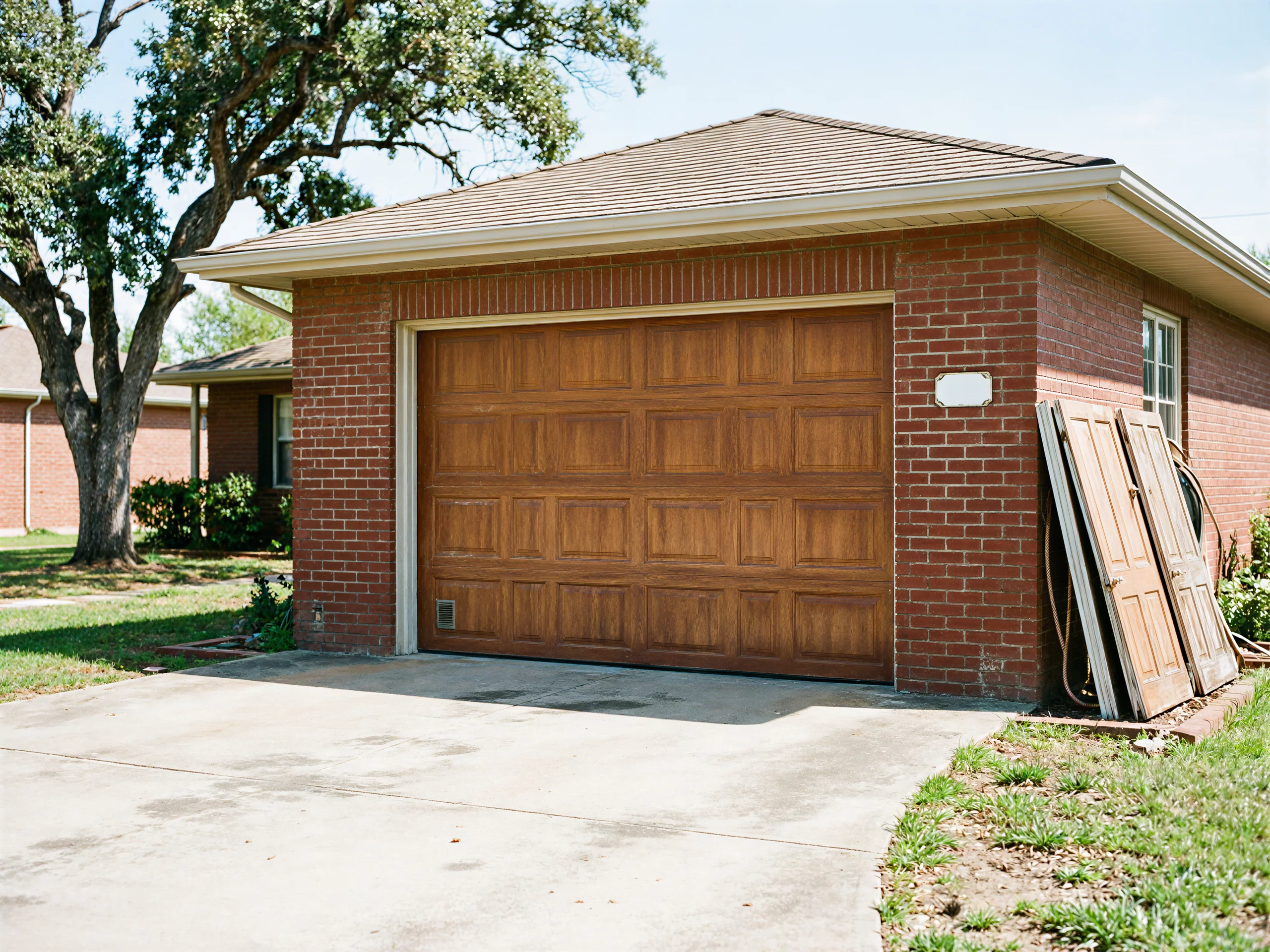
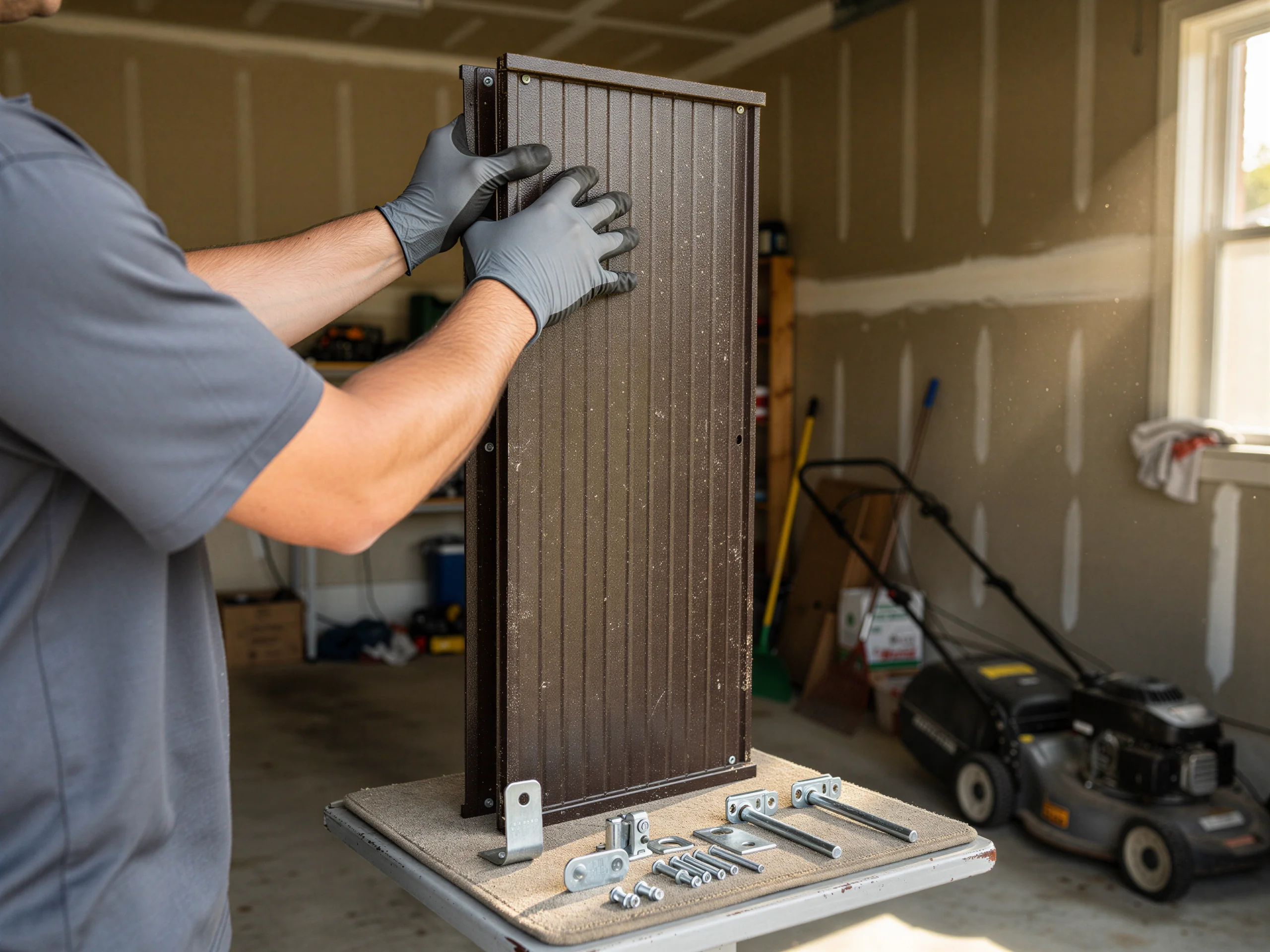
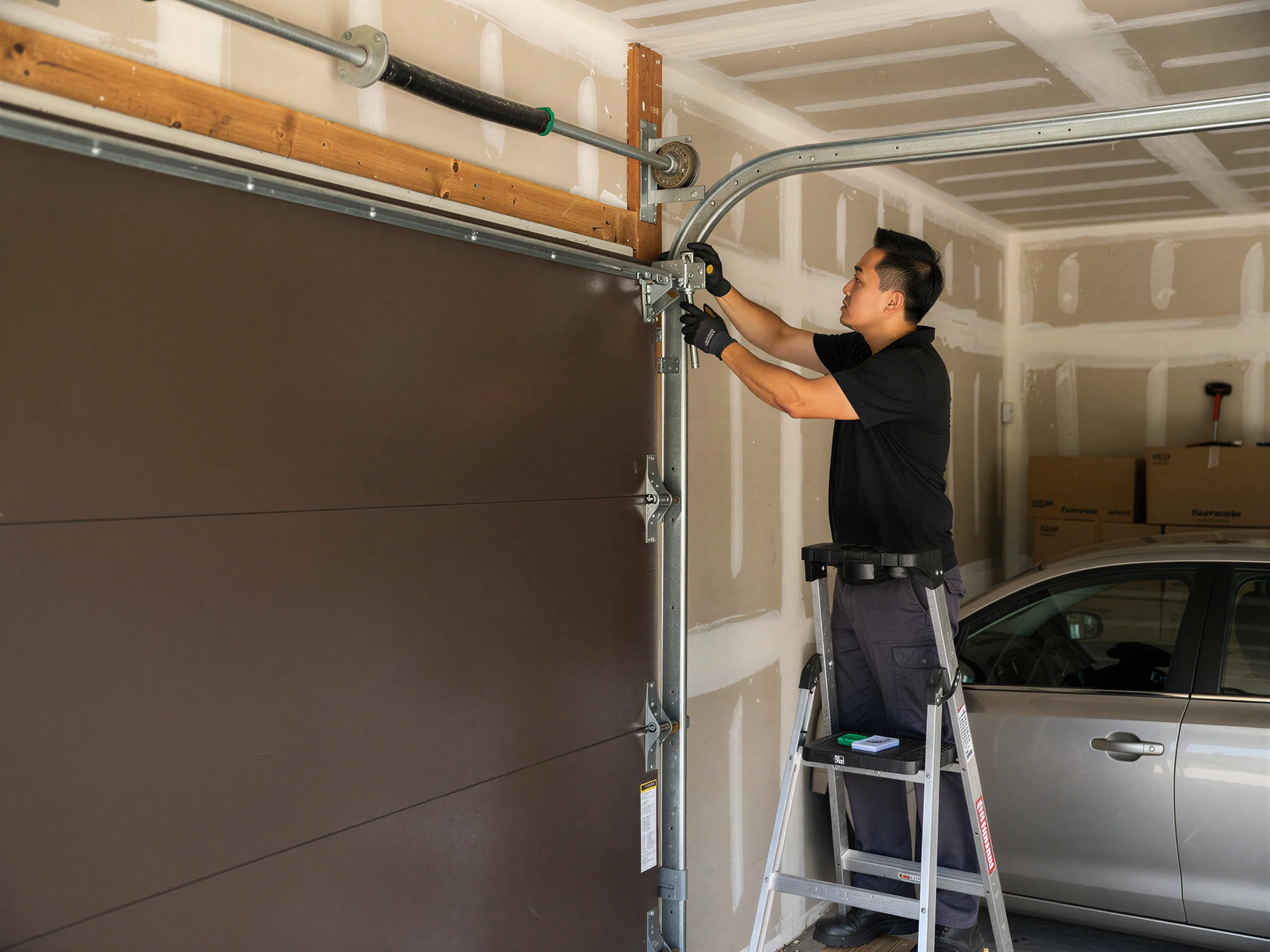
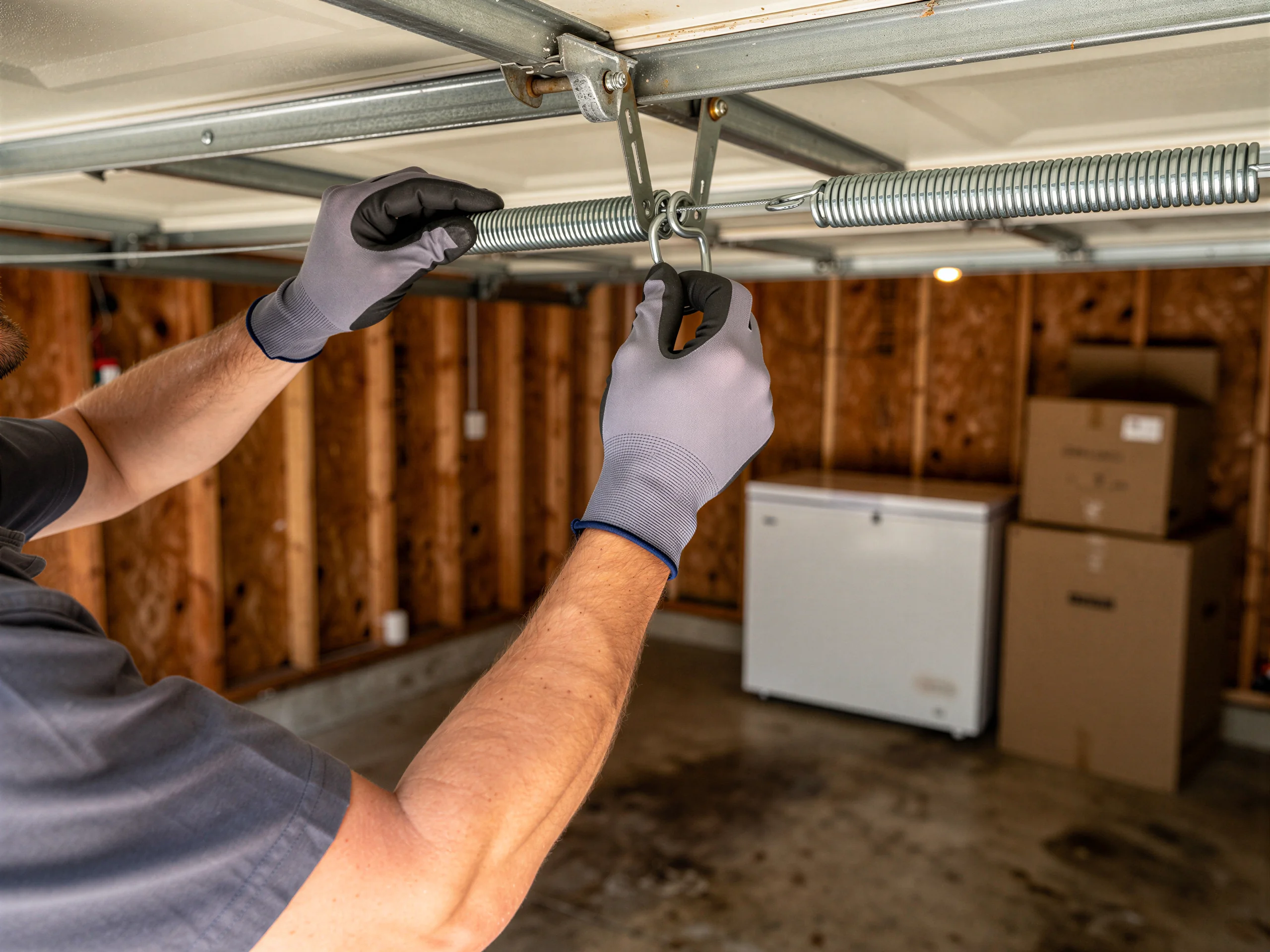
This part of the parish sits in a mild climate with occasional freeze, which doesn't sound harsh until you consider what forty years of humidity swings do to steel that was never sealed as well as modern galvanized stock. Expansion and contraction loosens fasteners slowly, and on a door built in the mid-80s, those fasteners have had four decades to work themselves a fraction looser than spec.
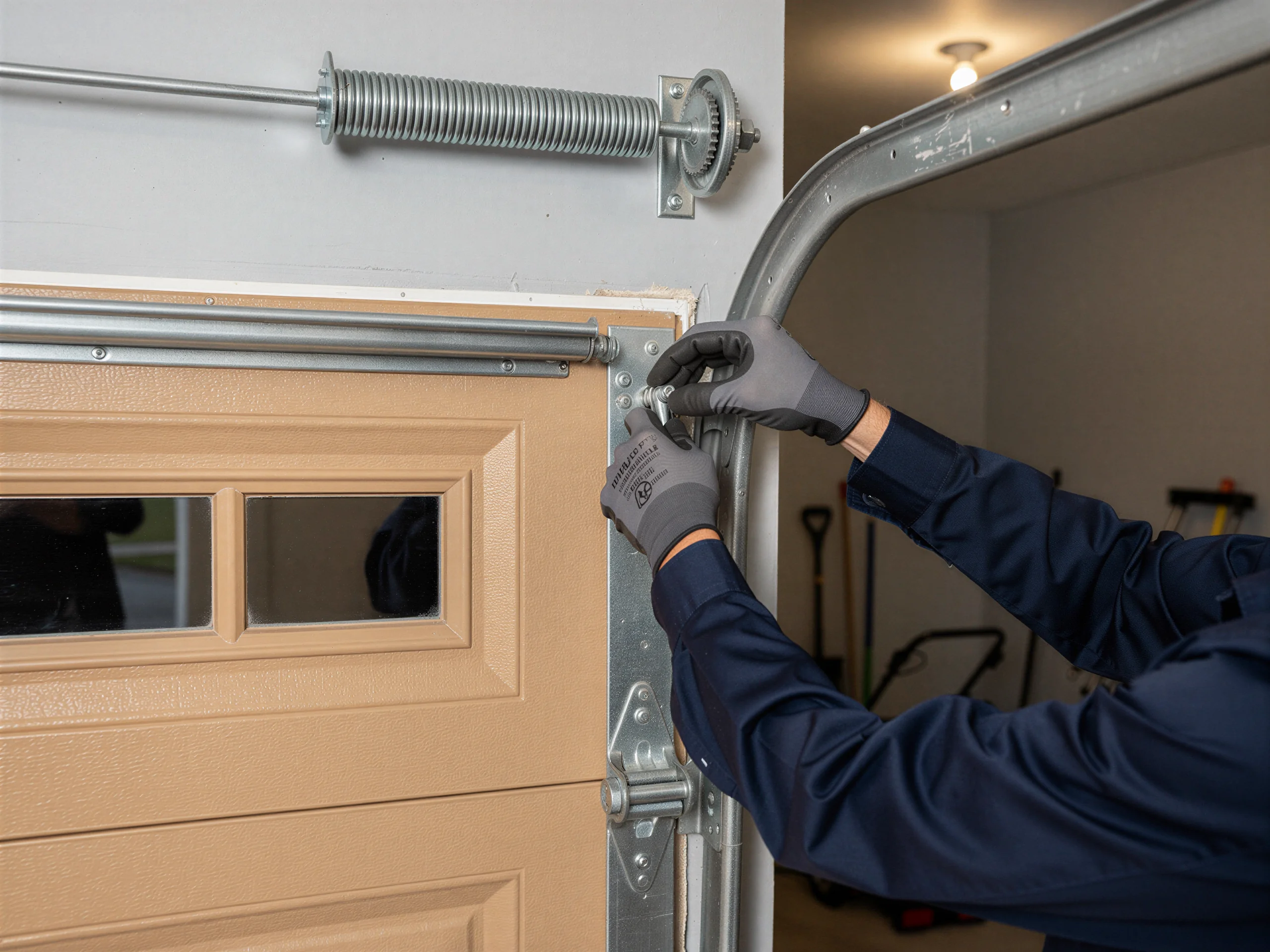
The occasional freeze matters more than people expect. It's not the cold itself but the cycle - metal contracts, then warms back up, over and over across a winter - and that cycling is what eventually snaps a spring that's already near the end of its rated cycles rather than one that's new. Combine that with the age of the housing stock here and you get a predictable pattern: spring failures cluster in late winter, not high summer, on doors installed when the neighborhood was built.
Households here report a median income noticeably above the service-area average, which we mention only because it shows up in the repair pattern - owners in this area more often choose a full spring and cable replacement over a patch job, since they're planning to stay ahead of the next failure rather than waiting for it.