
Opener and trim DIY
If you're set on doing some of the work yourself, the opener and the trim are reasonable DIY territory. The door panels, the track alignment, and anything involving the torsion spring are not.
Denham Springs, LA
New garage door installation in Denham Springs, LA, matched to this area's 1980s-90s builder-grade stock and mild, some-freeze climate. No guesswork, no invented numbers.
Local causes
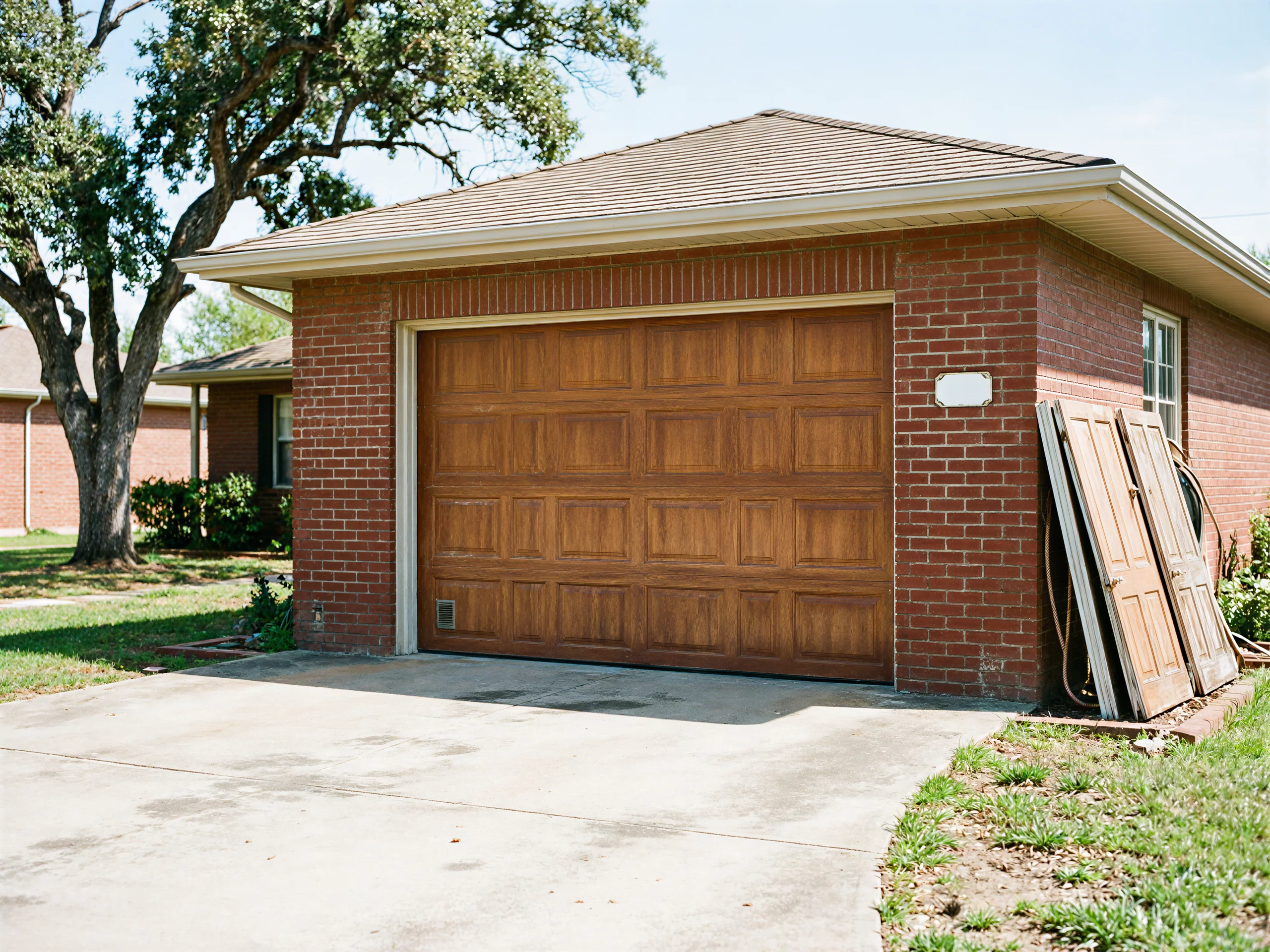
Most of the houses in Denham Springs' service area went up between 1962 and 2013, with the median build year sitting at 1989. Across the 14 named areas we work in - from Monticello to Addis - the bulk of the stock is 1980s and 90s construction, which means a lot of original builder-grade doors, steel tracks, and openers that were never meant to run past the thirty-year mark.
The climate band here is mild with occasional freeze. That doesn't sound like much, but it's enough to cycle hardware through expansion and contraction every winter, and enough humidity swing the rest of the year to work rust into hinges and bottom brackets that were installed when the house was new. A door that was fine for twenty years starts binding on the track, the opener starts working harder than it should, and at some point patching stops making sense.
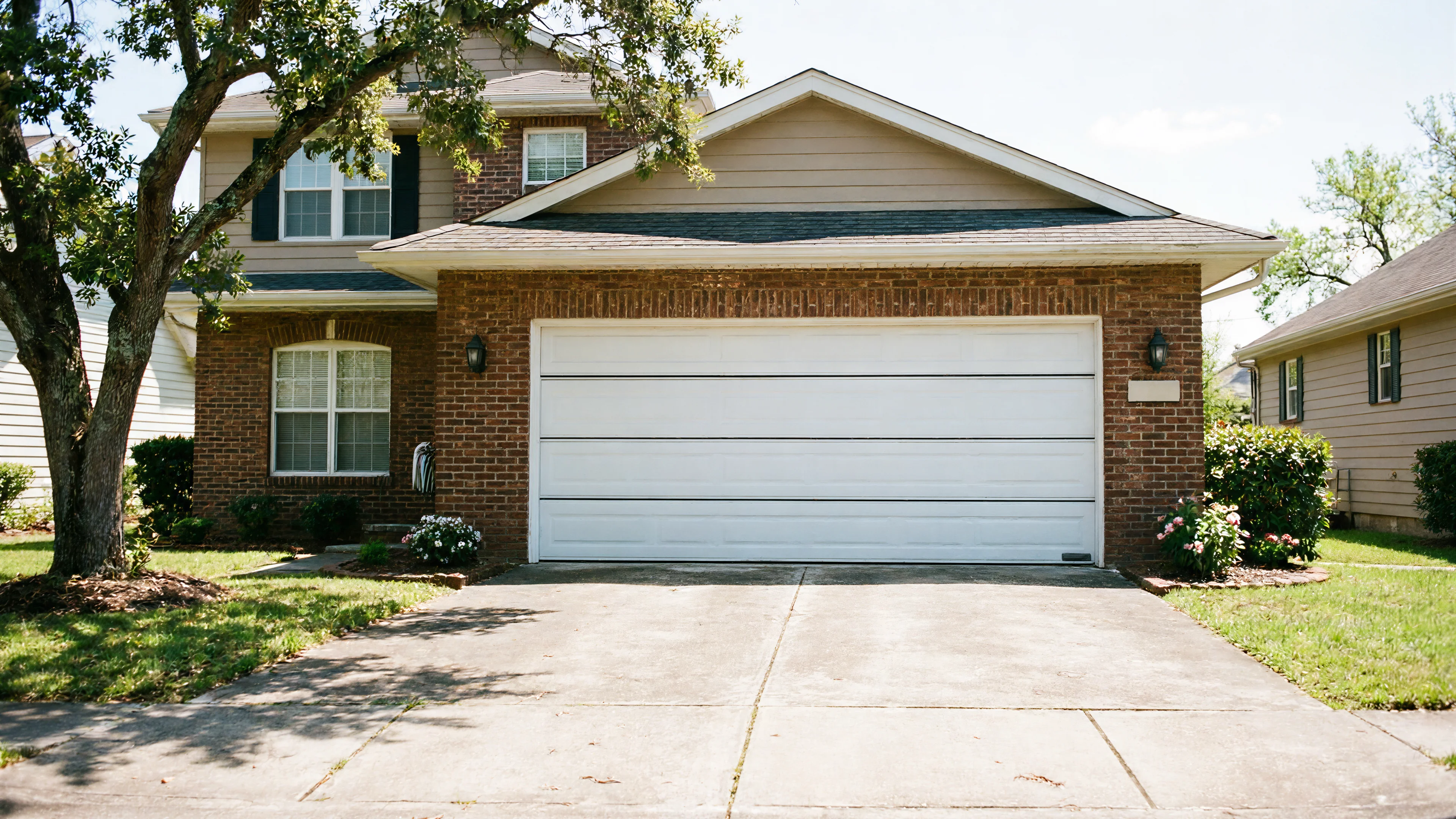
With 18,278 owner-occupied houses among 28,751 households in the service area, a lot of original doors are now past the point where one more spring or roller swap buys you much time. New installation isn't about chasing a trend - it's about replacing hardware that's aged out, with a door built for how the house actually sits today.
Timing
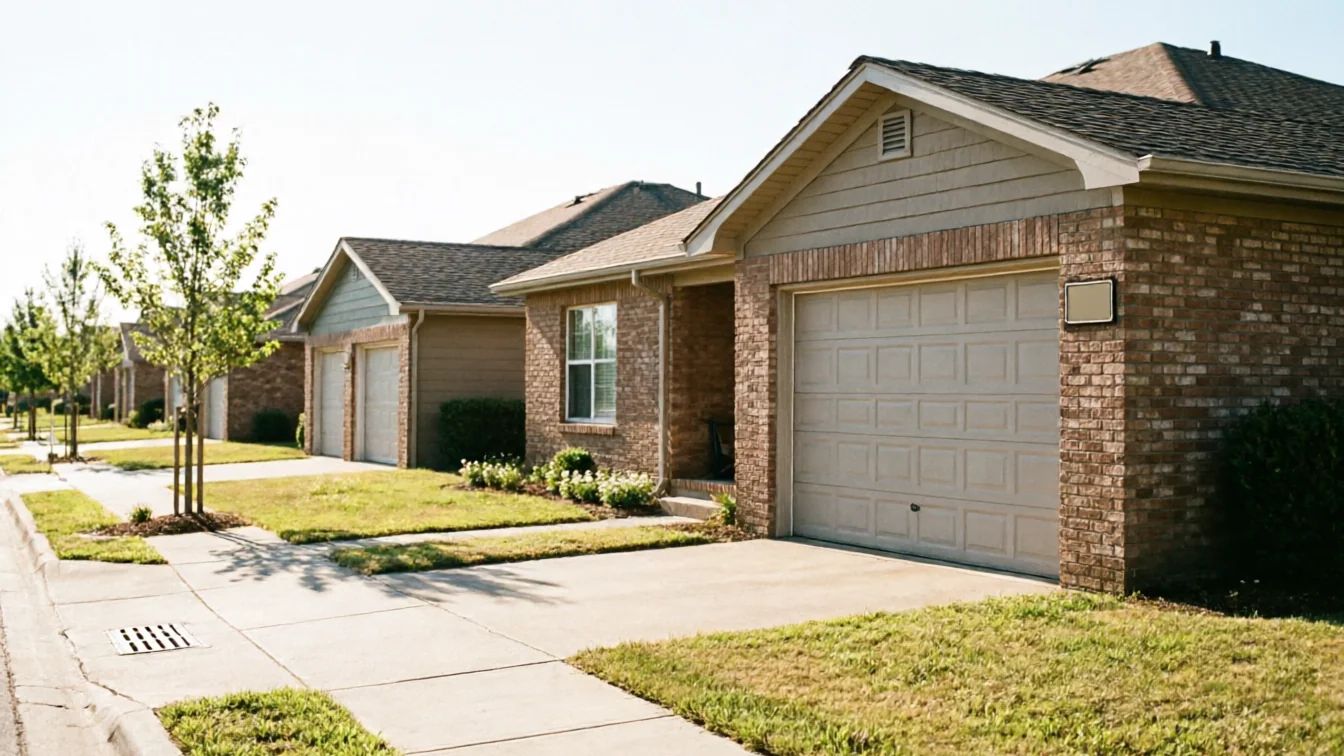
The honest answer depends on what's already there. A straight swap - same opening, same track path, new door and new opener - goes faster than a job where the framing around the opening has shifted or settled, which shows up more in the older end of that 1962-2013 range than in newer construction.
We don't quote a number before we've seen the opening. Houses built in the 1980s and 90s sometimes have header framing or track clearance that doesn't match current door specs, and that adds time to the install even when the door itself is a standard size. If the opener wiring or the track mounts need rework, that's additional time too.
What we can tell you is that a same-size replacement on a standard single or double opening, with no structural surprises, is a same-day job. Anything beyond that - reframing, custom sizing, electrical work for the opener - we'll walk you through before we start, not after.
DIY or pro
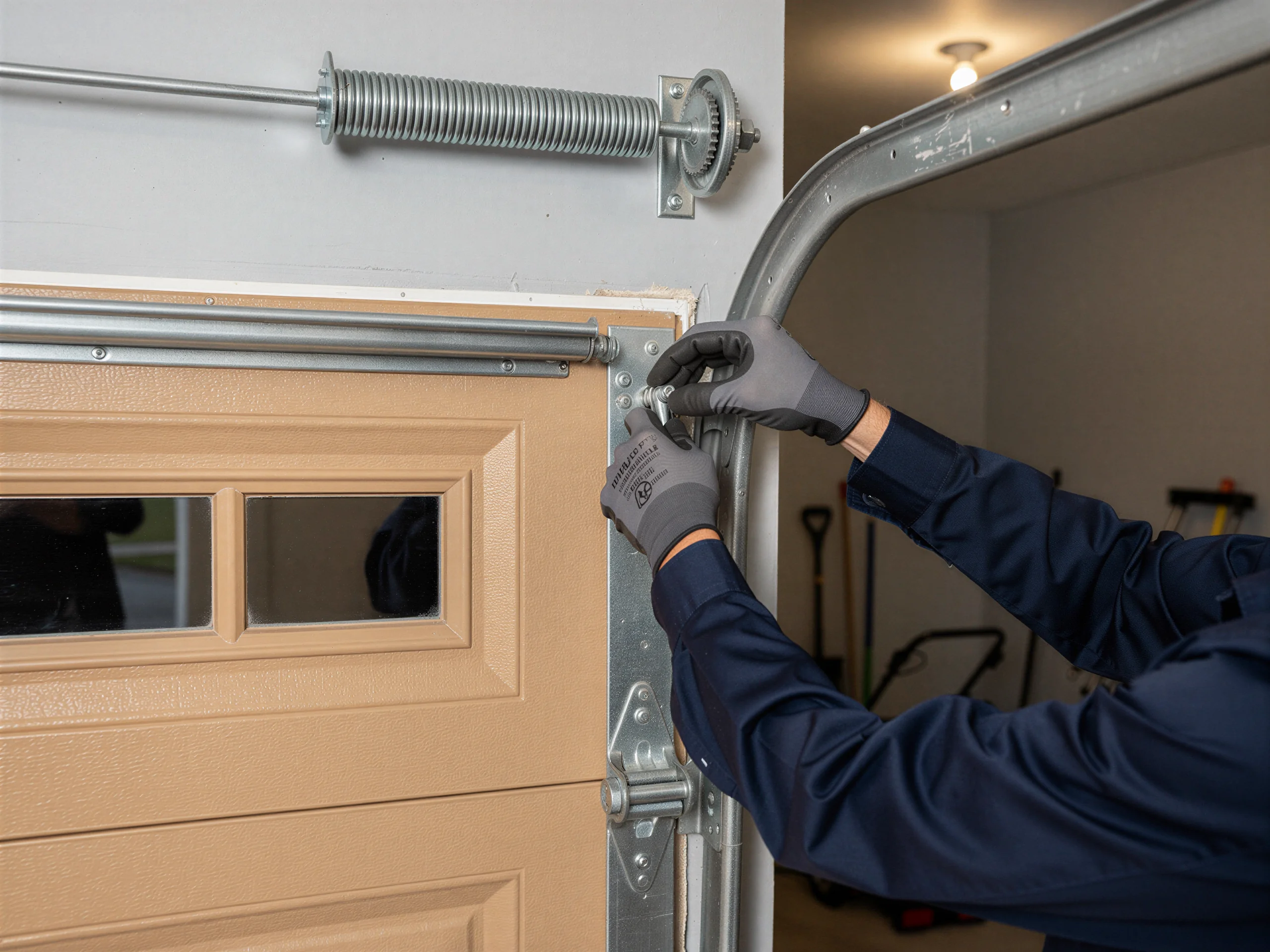
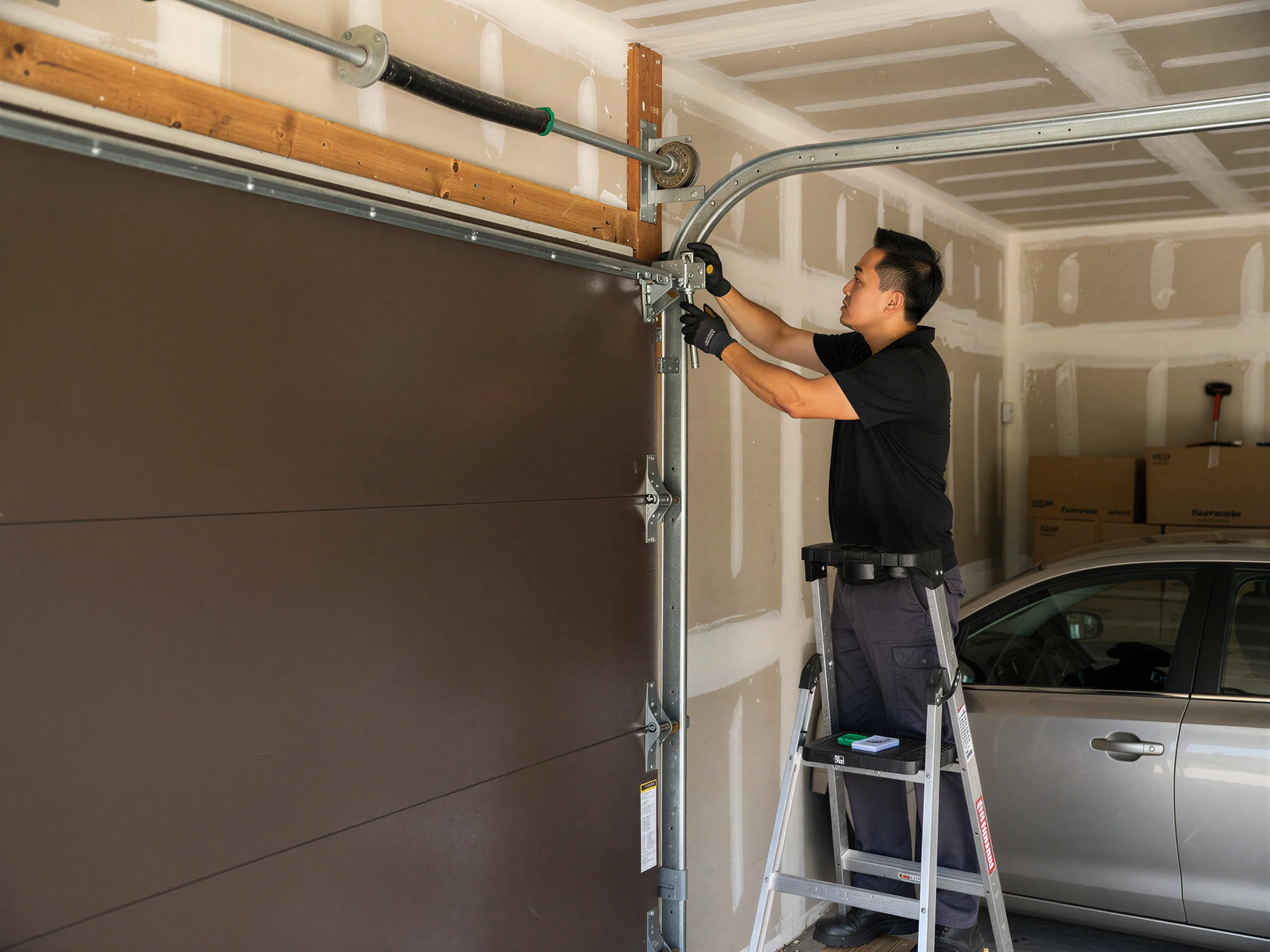
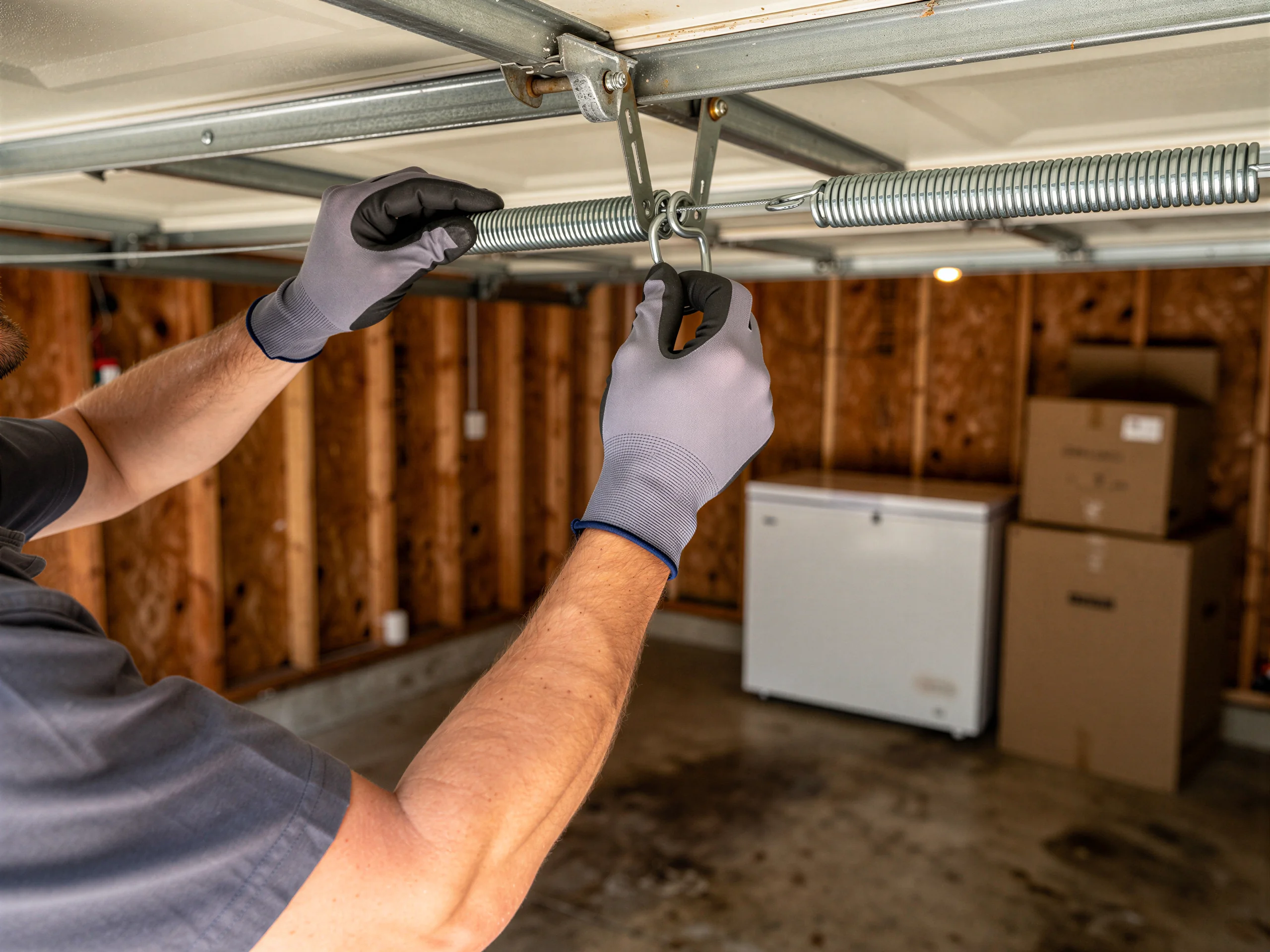
We'll say this plainly: installing a garage door yourself is not like hanging a interior door. A torsion spring on a double door holds enough stored energy to break bones or worse if it lets go while you're working on it, and that risk doesn't change because the door is new instead of old.
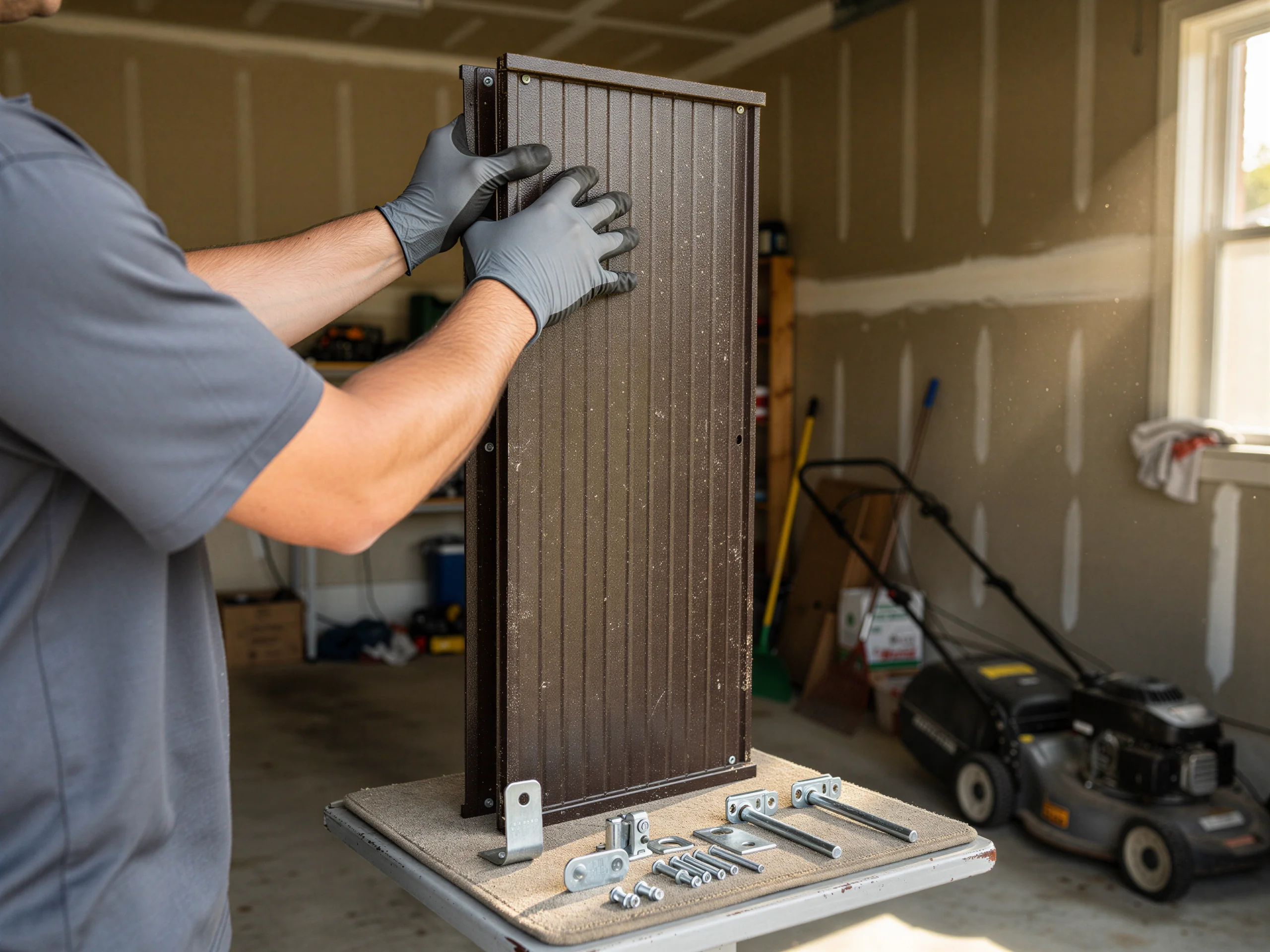
If you're set on doing some of the work yourself, the opener and the trim are reasonable DIY territory. The door panels, the track alignment, and anything involving the torsion spring are not.
We've seen enough jobs where a homeowner got the door hung but the track was out of plumb by enough to wear through rollers in under a year - on a house in the 1980s-90s stock that's common around here, that misalignment shows up fast because the opening itself has had decades to settle.
Our limitation here is straightforward: we install, we don't consult on a DIY job already underway. If you've started it and it's gone wrong, we can usually finish it, but we're not going to walk you through the spring tensioning over the phone.
Warning signs
If your door is original to a house built anywhere in that 1962-2013 stretch, and especially if it's from the 1980s-90s run that makes up most of the 14 areas we cover, the signs of age aren't always obvious until the door fails outright.
Watch for a door that sags visibly at the bottom corners when it's down, panels that have started to bow rather than sit flat, and a track that's developed rust streaks at the joints - that last one is the mild-climate, occasional-freeze cycle doing its slow work on hardware that's never been replaced.
An opener that strains, reverses randomly, or runs louder than it used to is often a symptom of the door itself being heavier than it should be - swollen wood panels, rusted hardware adding drag - rather than the opener being the problem. Replacing the opener alone in that case just delays the real fix.
If the door still opens and closes evenly, with no visible rust or sag, you likely don't need a new install yet - that's the limitation worth stating plainly. New installation makes sense when the door itself has aged out, not just because a new opener looks appealing.
Questions
If the panels sag, bow, or show rust at the hinges and brackets, repair usually just delays the inevitable. Houses in the 1980s-90s stock common across this service area often hit that point once the door's original hardware has gone through enough freeze-and-thaw cycles. If the door still runs smooth and even, a repair is likely the better call.
Sometimes. Older framing from the 1962-2013 build range can settle enough that a standard-size door doesn't sit square anymore. We check the opening before quoting anything, since reframing adds time and cost that a straight swap doesn't.
The door and track, no - a torsion spring under tension can cause serious injury if it's mishandled, and that risk is the same regardless of the house. The opener and trim work are reasonable to do yourself. We'll finish a job that's gone wrong, but we don't walk homeowners through spring tensioning by phone.
Yes. The mild climate with occasional freeze here cycles steel hardware through expansion and contraction each winter, and humidity the rest of the year works into hinges and brackets. That's part of why original doors in the area's 1980s-90s housing stock start showing rust and binding around the thirty-year mark.
Explore more

Ready when you are
Denham Springs Garage Door Pros repairs and installs garage doors, springs and openers in Denham Springs, LA and the surrounding area.