
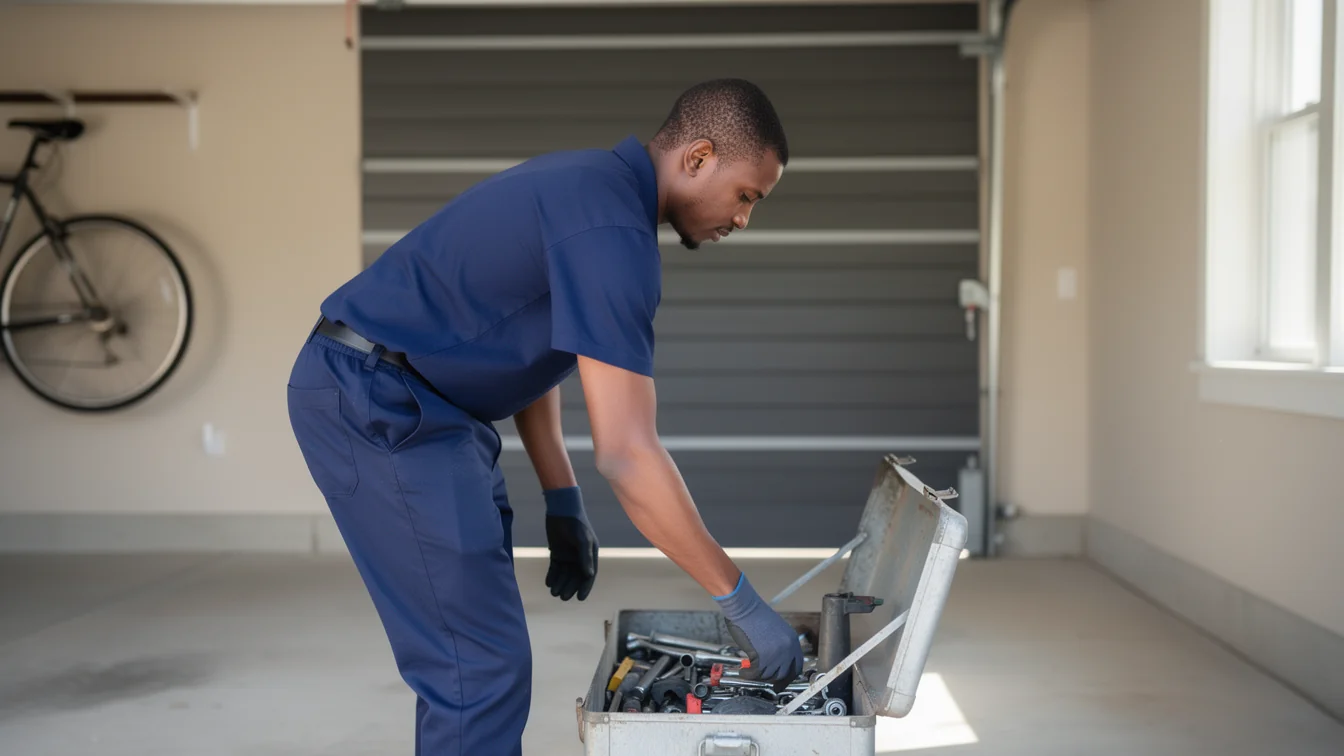
What a Service Call Actually Covers
A look at what a Denham Springs Garage Door Pros service call actually involves, built around this area's 1980s-90s housing stock and mild, occasional-freeze climate.
Read moreServing Denham Springs homes built 1962-2013, most from the 1980s-90s boom, where original torsion springs are hitting the end of their life in a mild, occasional-freeze climate.
Local detail
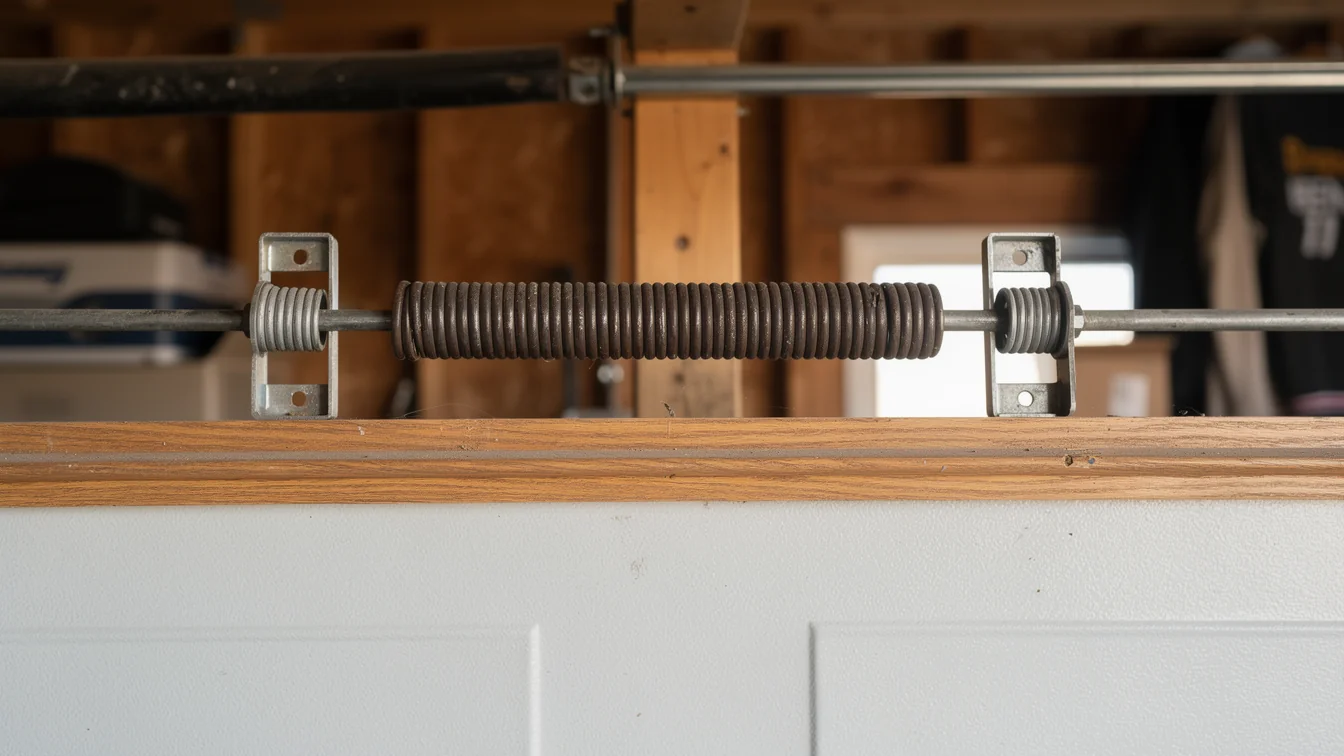
Most houses on this side of the parish went up between 1962 and 2013, with the median build year sitting around 1989. That matters because torsion springs have a working life measured in cycles, not years, and a spring installed when a slab-on-grade ranch went up in the late 80s is now thirty-plus years into service. A lot of what we see in the 14 named subdivisions out here is original hardware - the same spring, same drum, sometimes the same bent track from the builder.
The climate here sits in a mild band with the occasional freeze, not the hard winters that force everyone to use cold-rated coil stock. That's good news most of the year, but it means the springs on these older Denham Springs doors were never built to handle a freeze snap well, and when the temperature drops fast, an aging spring that's already fatigued is the one that goes. We don't see the ice-storm failures some regions deal with. We see 30-year springs picking the one cold morning a year to let go.
If your house falls in that 1962-2013 range, assume the spring is original or close to it unless someone's already replaced it.
The area
We're not going to put a number on this page that doesn't match what shows up on your driveway, because the job changes with the door. A single spring on a single-car door costs less than a matched pair on a heavier double door, and if the opener's original to the house too, that's a second conversation.
What we can tell you is the shape of the decision. With median household income in the area around $81,484, most of what we quote here is a repair, not a remodel - fixing the spring and the hardware around it rather than replacing the whole door. That's the right call on most of these 1980s-90s builds, where the door panel and track are still sound even when the spring isn't.
We'll give you the real number on-site, by phone, with the door and springs in front of us. If a shop quotes you a flat price before they've seen the door, be skeptical of that quote.
What we find
Not every noise is an emergency. A door that still opens and closes but grinds or shudders partway through the cycle can usually wait a few days for a scheduled call - that's often a roller or a bent section of track, not a spring about to snap.
A full spring break is different. If a cable's gone slack, if the door won't budge, or if you hear a loud bang and the door drops, stop using it. Don't force the opener. A broken torsion spring under tension is a safety issue, not a convenience one, and a lot of the hand injuries we hear about happen when someone tries to muscle a jammed door open themselves.
Honest limitation: we don't carry every obsolete part for doors built before the 1980s on the first visit. If your house falls on the early end of that 1962 start date and still has its original hardware, there's a real chance we need to order a part rather than fix it same-day. We'll tell you straight if that's the case instead of jury-rigging something that'll fail again in a month.
How we work
Here's the pattern we actually see: a house built sometime between 1962 and 2013, most commonly in that 1980s-90s stretch, running its original torsion spring for three decades with no issue - until a cold morning in a climate that doesn't usually ask much of that spring. The metal's fatigued from thousands of cycles, and the one hard freeze of the year is the stress that finishes it off.
It's not that the door is broken. It's that the spring finally reached the end of a lifespan that started when the house was new, and the mild-with-occasional-freeze climate here means that moment tends to land in winter rather than spread evenly across the year.
The fix is usually straightforward once we're looking at it: match the spring wire size and wind to the door weight, check the drum and cable while we're in there, and get it back on a torsion bar built for the next thirty years rather than patched to limp through this one.
Questions
Cold metal is stiffer and more brittle than warm metal, so a spring that's already fatigued from decades of cycling is more likely to snap on the one hard freeze of the year than on a mild day. In this area's climate, that's usually a once-or-twice-a-winter event, not a constant risk.
If your house was built in the common range for this area - roughly 1962 through 2013, with most stock from the 1980s and 90s - and no one's mentioned replacing the spring, it's probably original. That's thirty-plus years of cycling on hardware that wasn't designed to last forever.
We'd rather you didn't. A torsion spring under tension can cause a serious injury if it releases while you're working on it, and most homeowners don't have the winding bars or experience to do it safely. It's one of the few repairs where calling someone is the cheaper option in the long run.
No. Most of what we see on houses from the 1980s and 90s is still a sound panel and track with a worn spring or opener. We replace the part that's failed, not the whole door, unless the door itself is damaged or genuinely at the end of its life.
Recommendation
More garage door guides for Denham Springs homeowners.
A look at what a Denham Springs Garage Door Pros service call actually involves, built around this area's 1980s-90s housing stock and mild, occasional-freeze climate.
Read more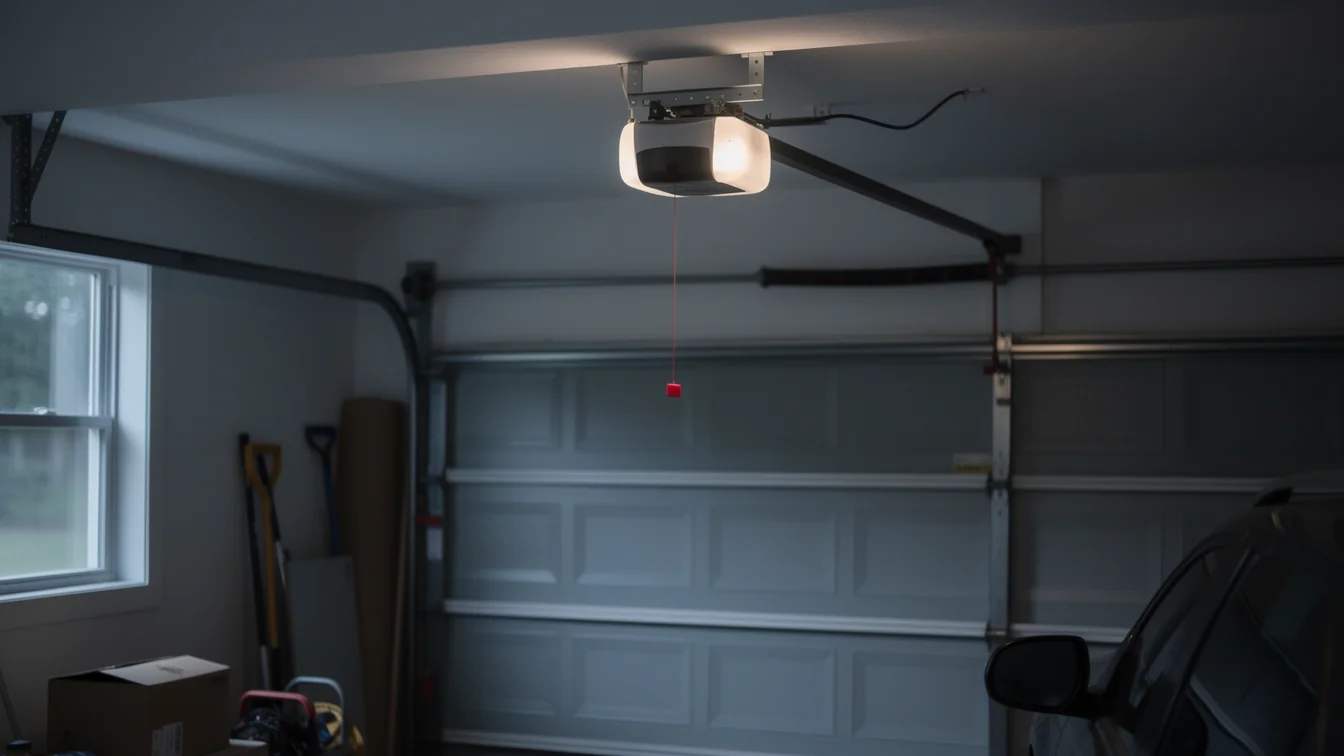
How Denham Springs' 1960s-2010s housing stock and mild, occasional-freeze climate affect opener wear and power-cut backup options for your garage door.
Read more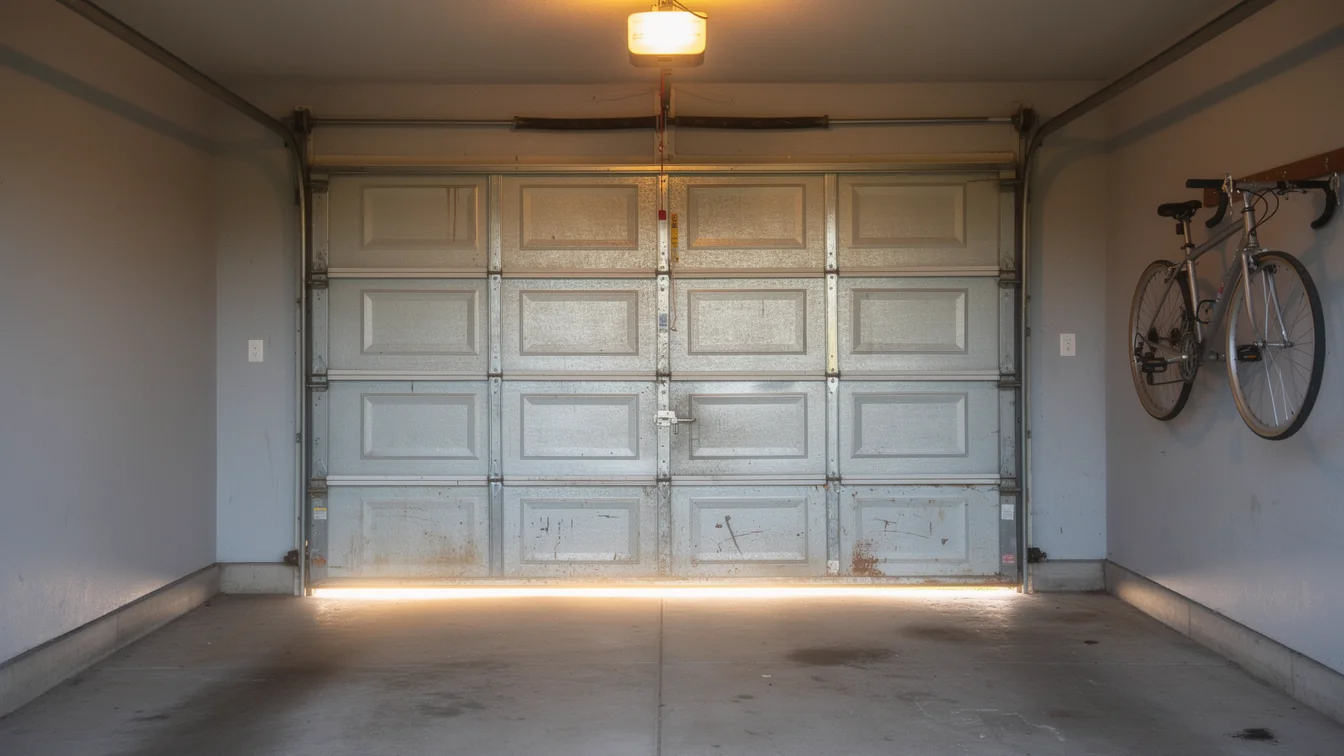
Denham Springs homes built 1962-2013 bring specific garage door wear patterns.
Read moreReady when you are
Denham Springs Garage Door Pros repairs and installs garage doors, springs and openers in Denham Springs, LA and the surrounding area.