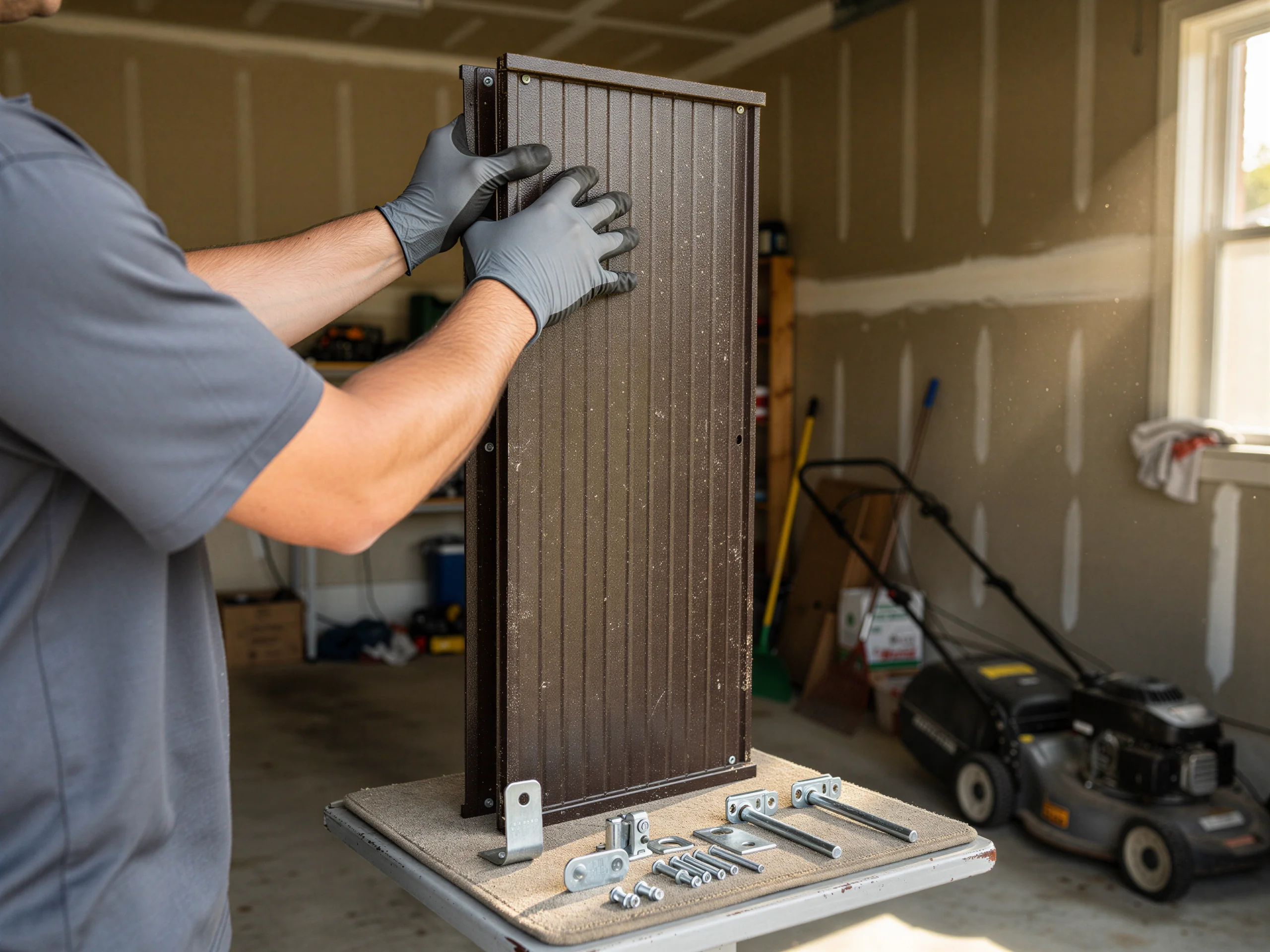
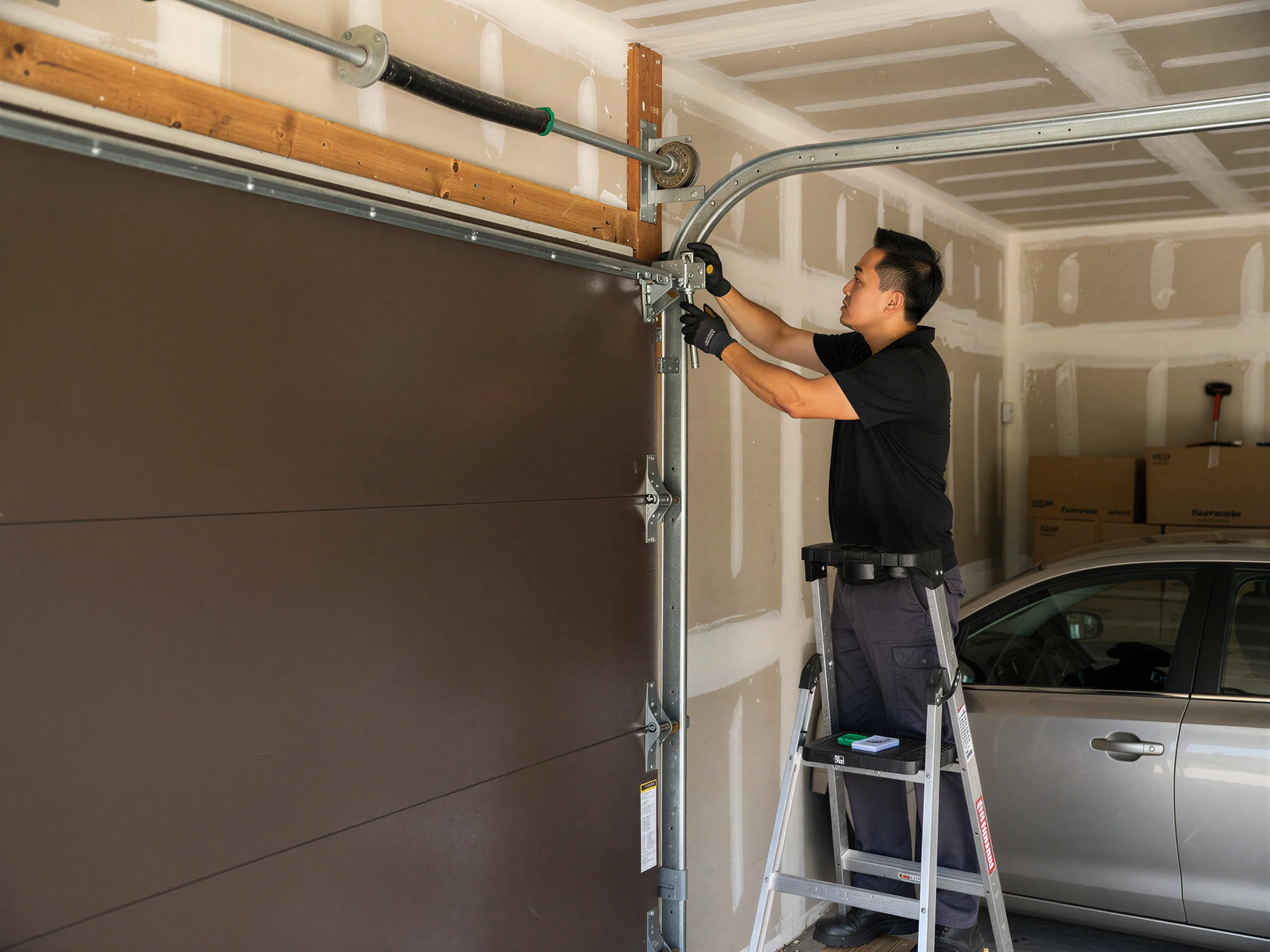
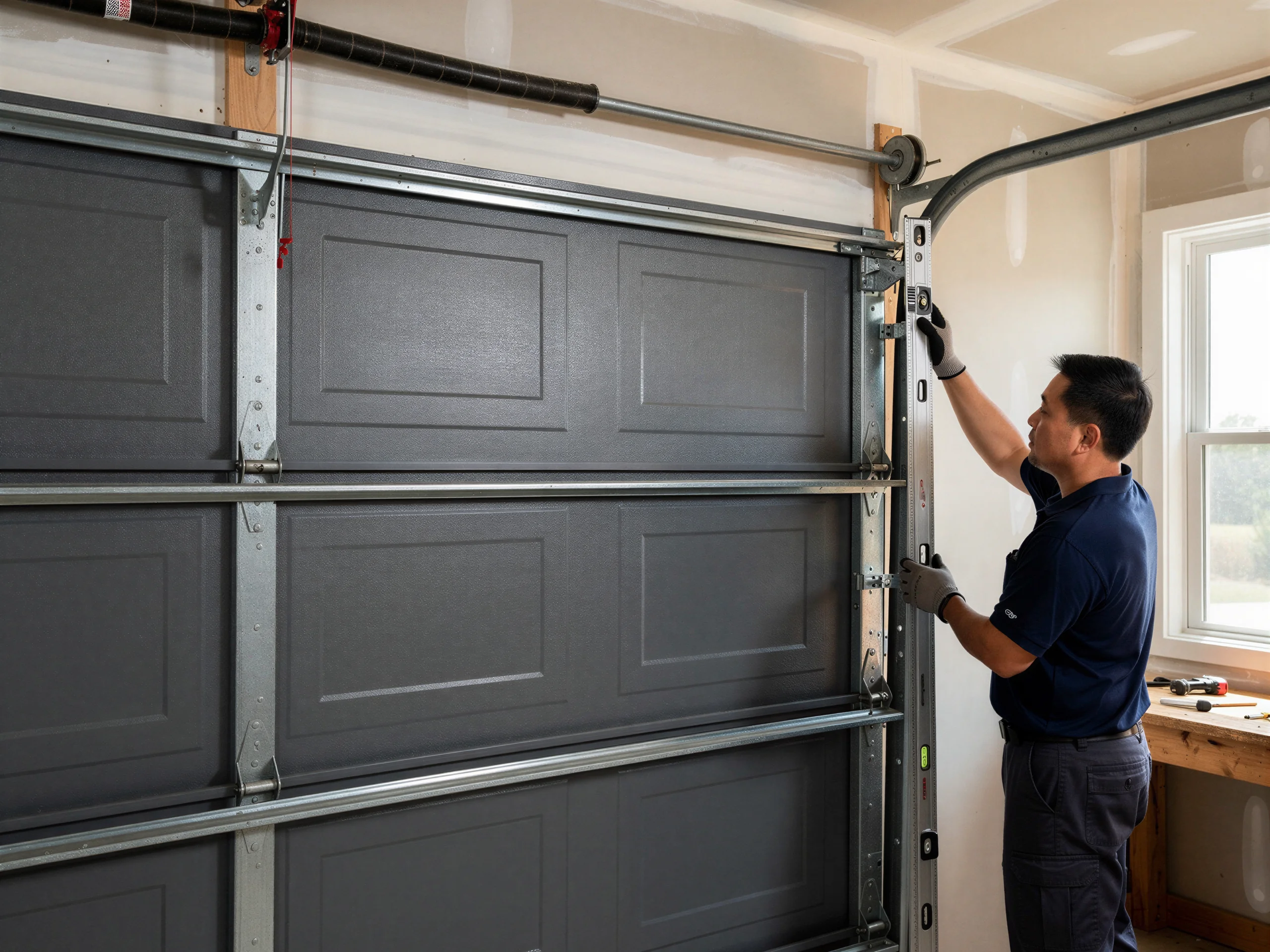
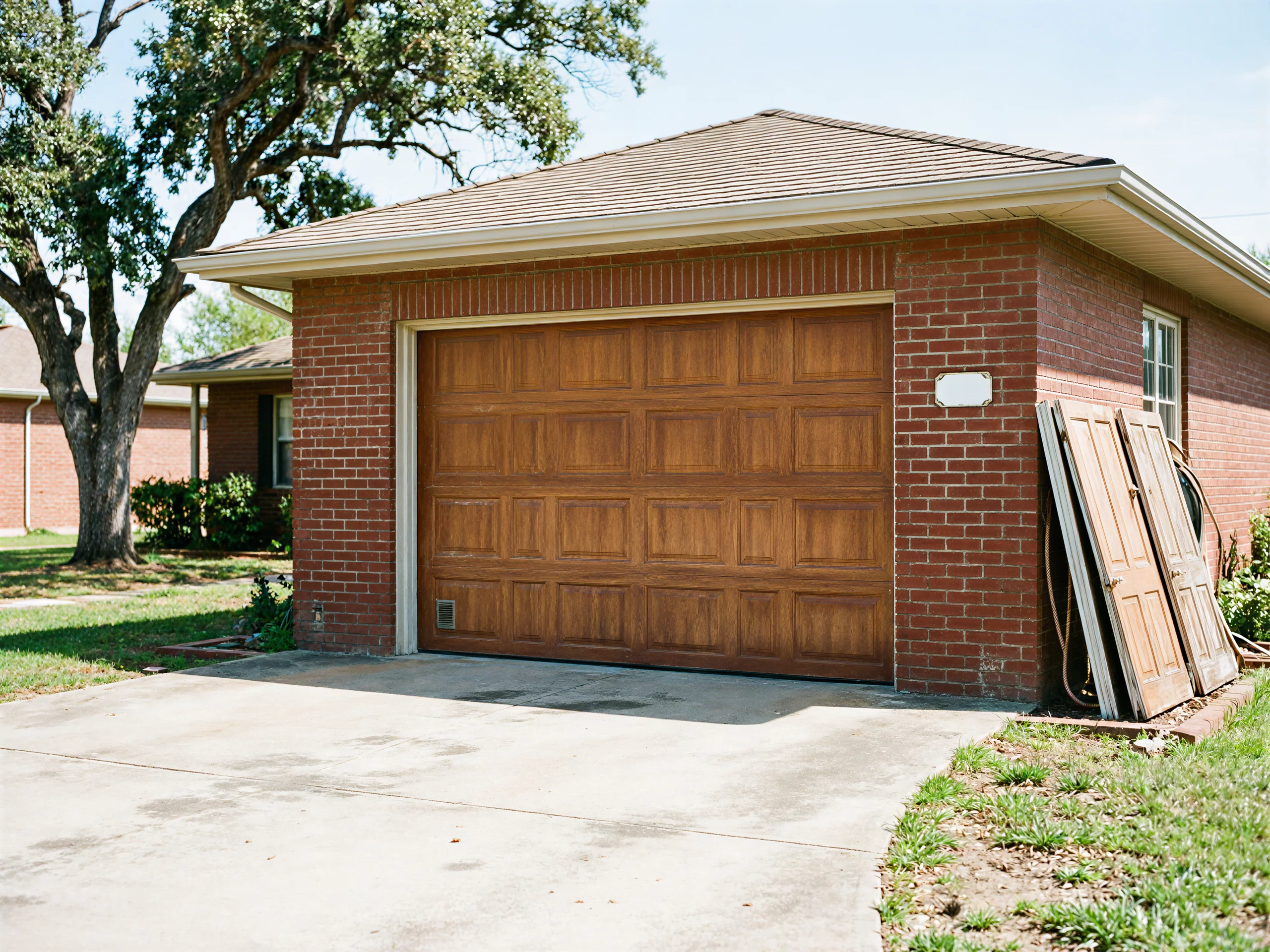
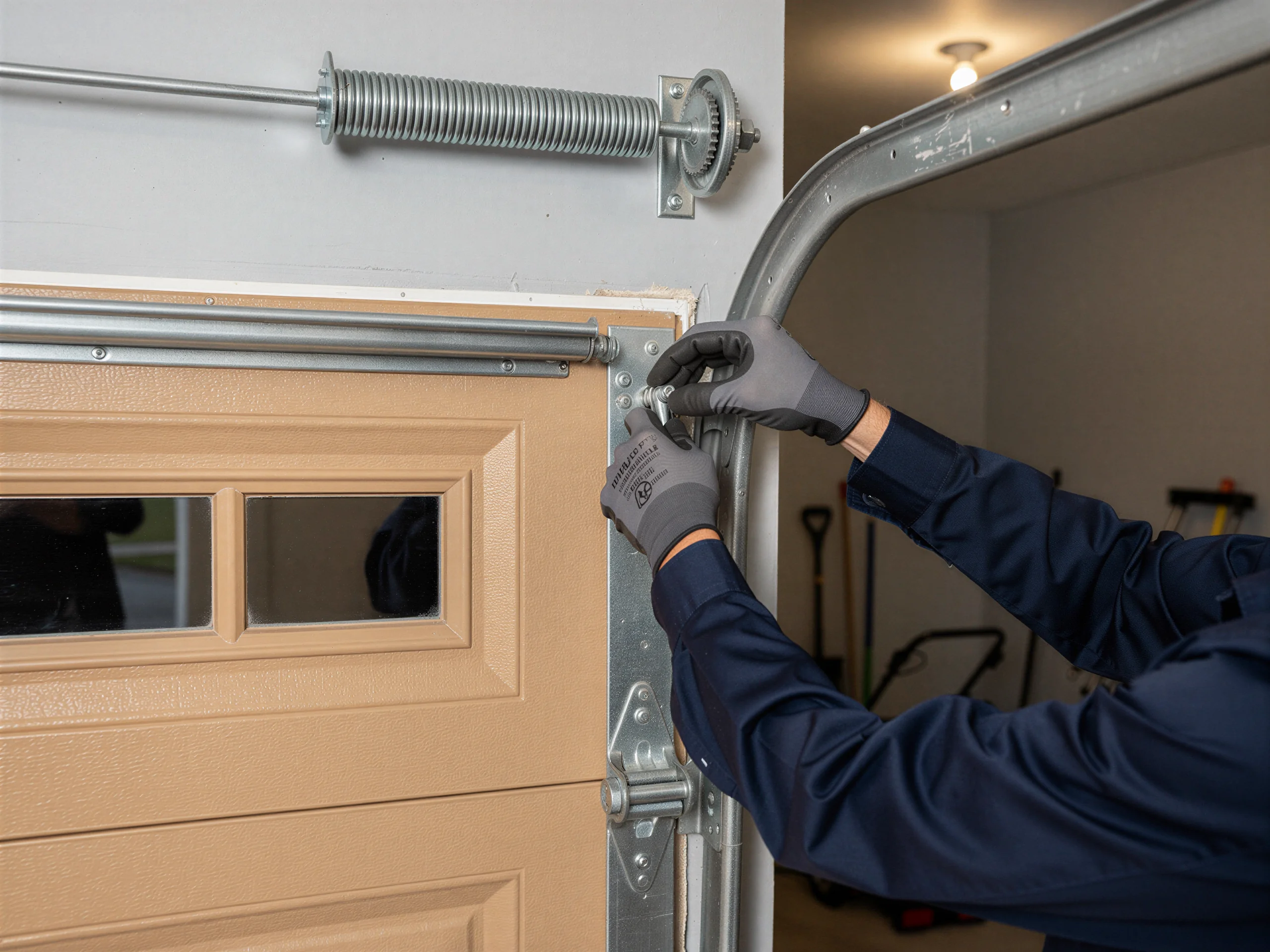
Housing stock across this service area runs from 1962 up through 2013, but the bulk of it - the 14 named areas we work in, from Monticello and Walker out to Addis - went up in the 1980s and 90s. That matters for panels specifically. Doors from that window are mostly steel-skin sections with a polyurethane foam core, and after thirty-plus years that foam has had time to shrink and pull away from the skin at the seams. You get a hollow sound when you knock on a section, and a hairline crack that starts at the hinge bolt and spreads.
The climate here doesn't swing hard - it's a mild band with only occasional freeze - so we don't see the heave-and-crack damage you'd get up north. What we see instead is slow fatigue: humidity working into that seam gap, rust starting at the bottom panel where splash-back hits it, and the foam losing its grip on the steel a little more every summer. A dent that would just be cosmetic on a newer composite door becomes a stress point on an older foam-core panel, because the skin has already lost some of its backing.
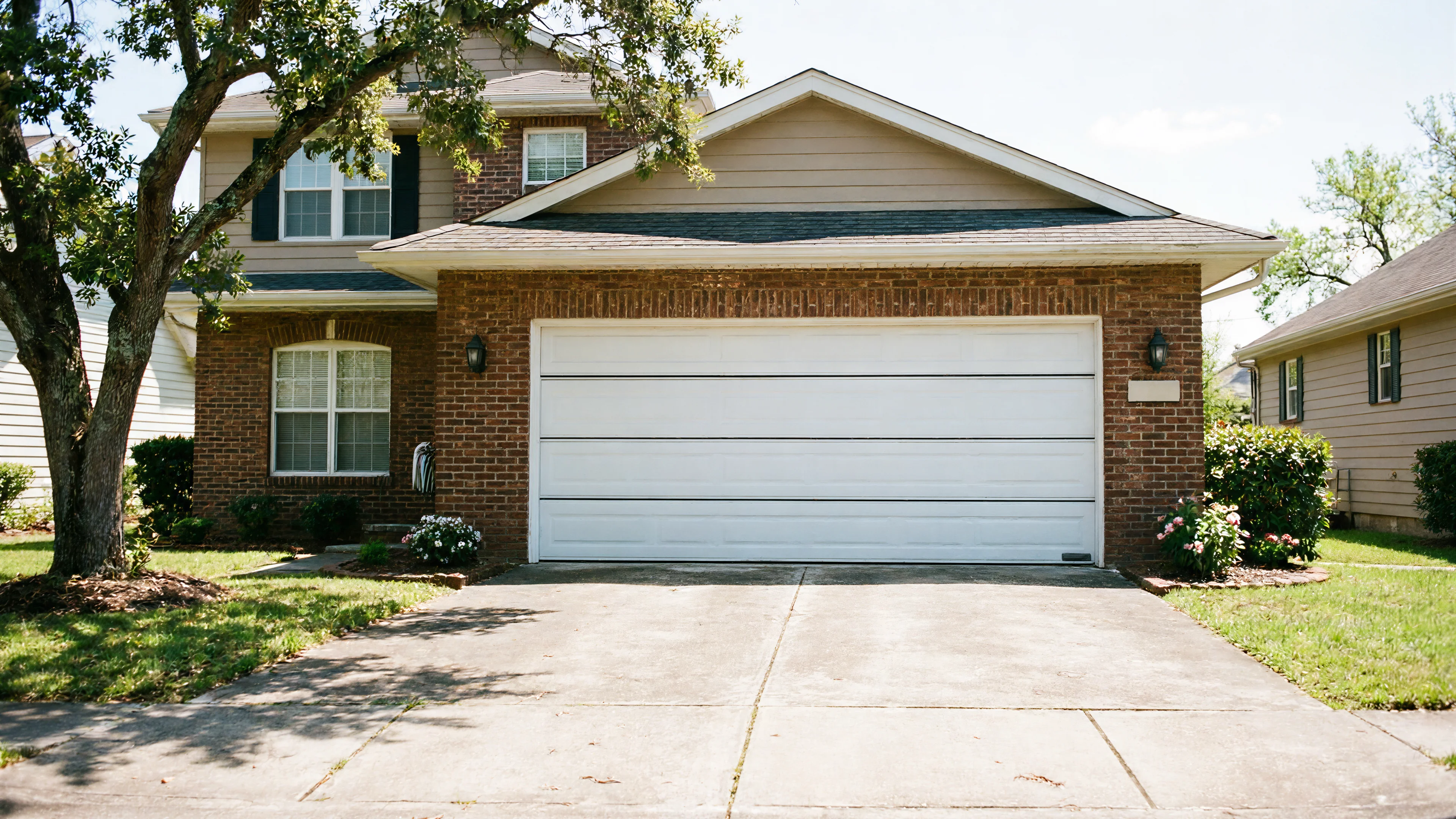
Across the roughly 18,278 owner-occupied houses we see service calls from in this area, the panel failures cluster almost entirely in that 1980s-90s build range. Houses from the 2000s and later tend to have thicker gauge steel or vinyl-clad panels that hold up differently, and that's a different call altogether.