
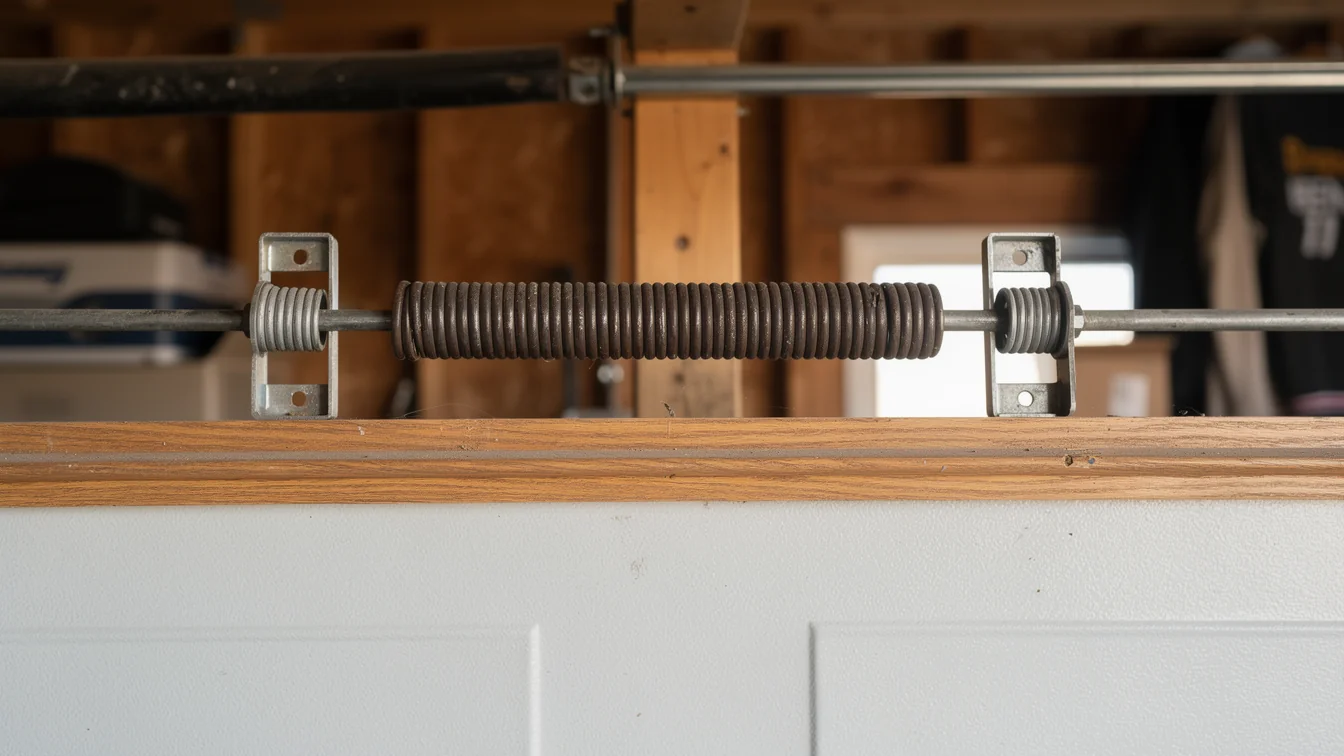
Garage Door Repair Built Around Denham Springs Housing Stock
Serving Denham Springs homes built 1962-2013, most from the 1980s-90s boom, where original torsion springs are hitting the end of their life in a mild, occasional-freeze climate.
Read moreA look at when a Denham Springs garage door from the 1980s-90s building boom is worth repairing, based on local housing age, climate, and household numbers.
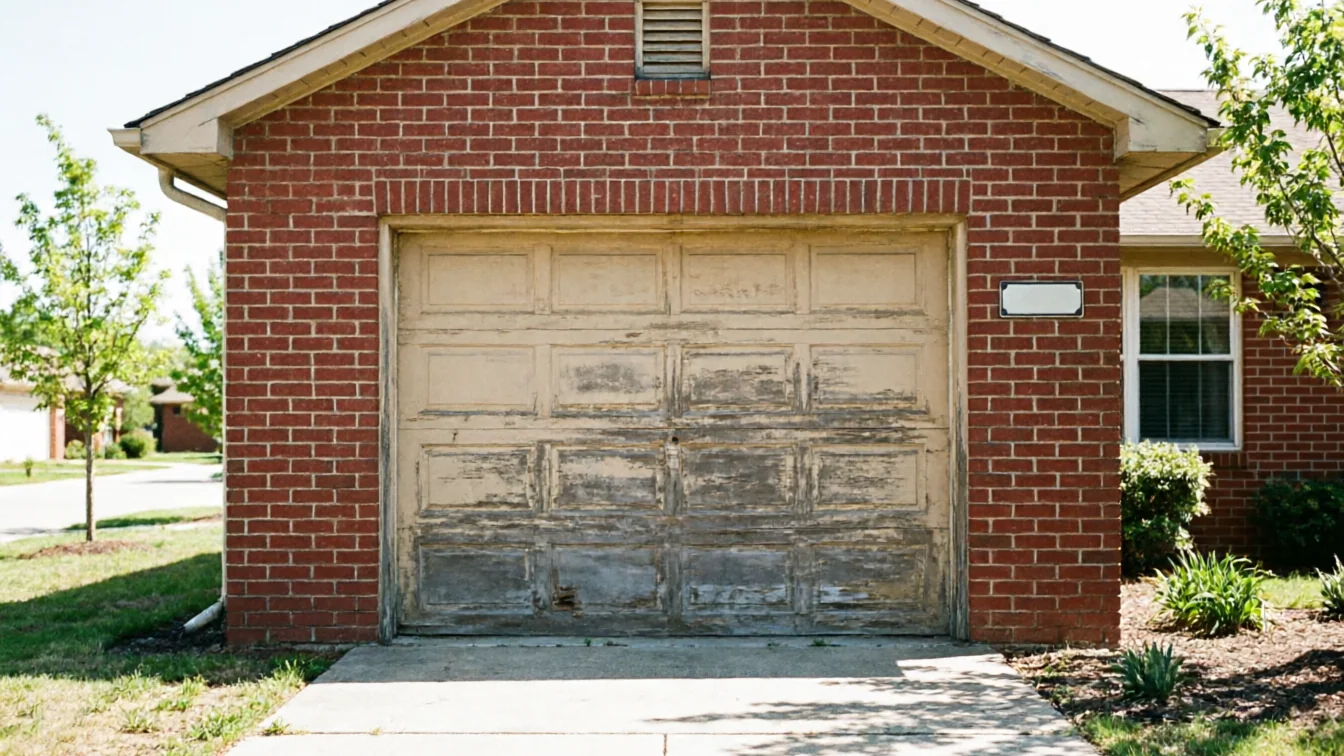
Local detail
Most homes on this side of the Denham Springs market went up between 1962 and 2013, with the bulk of that stock dating to the 1980s and 90s, spread across fourteen named subdivisions and areas. That matters because a door built during that stretch almost always came with a torsion spring system and a steel panel set that was standard for the era - not the insulated, rolled-steel doors builders use now. Denham Springs sits in a mild climate band with only occasional freeze, so steel panels and torsion springs don't take the hard thermal cycling that doors in harder-freeze regions do. That's good news for longevity: a properly lubricated hinge or roller here isn't fighting ice expansion every winter the way it would further north. What it does fight is humidity and heat cycling, which shows up as surface rust on hardware and dried-out weatherstripping before it shows up as a structural failure. If your house was built in that 1989-median window, the door hardware under it is old enough to be original and young enough that parts for it still exist - which is the whole question this page is trying to answer.
The area
We don't have pricing figures to quote on this page, so we won't guess at a number. What we can say is what drives the cost up or down for a house of this era. With roughly 28,751 households in the area and 18,278 of those in owner-occupied houses, a lot of garages here still carry the original door that came with the build. A torsion spring job on that kind of door is usually a straightforward swap because the hardware is common for the period. Where cost climbs is when the opener has also failed, or when a panel has rusted through at the bottom and the whole section needs replacing instead of patching. At a median household income of $81,484 in this area, most owners here are deciding between a repair and a full replacement on their own terms, not out of necessity - which is exactly the decision this page is meant to help with, not push one way.
What we find
A door that's slow to close, squeaks on the way up, or has a dented bottom panel from a bumper tap isn't an emergency in this climate. Without hard freeze stressing the springs or ice jamming the track, a cosmetic issue on an otherwise working door can sit for weeks without getting worse. What can't wait is a spring that's already snapped, a cable that's frayed and visibly separating, or an opener that's reversing on its own - those are safety issues regardless of the weather. The honest limit here: if your door is original to a house built in the 1980s building wave and the track is bent or the drums are worn, we're not going to tell you a tune-up fixes that. At some point the labor to keep patching thirty-plus-year-old hardware costs more than a new door, and we'll say so instead of running up a bill on parts that are on borrowed time anyway.
How we work
On doors from the 1980s-90s stock common across this area, the failures we see are predictable. Torsion springs rated for that era's door weight lose tension gradually, then let go all at once - usually after ten to fifteen years of cycles, which lines up with houses from the 1962-2013 build window now needing their second or third spring. Rollers on the original steel track wear oval instead of round, which is why the door sounds rough even when the opener is fine. Within the service area - Monticello five miles out, Walker at six - door styles from the 1980s boom are still common enough that parts for torsion hardware aren't hard to source locally. That's a real advantage: a lot of older markets have doors so dated the hardware is discontinued, but the volume of 1980s-90s stock here keeps standard parts in supply instead of special order.
Questions
Usually yes, if the only problem is the spring, cable, or rollers. Those parts are still common for doors from that era and the mild climate here hasn't been hard on the steel. If the track is bent or panels have rusted through, replacement starts making more sense than another repair.
This area sees occasional freeze but not sustained hard winters, so metal hardware doesn't get the extreme expansion and contraction that causes sudden failures elsewhere. Most of what we see here is gradual wear - dried lubricant, worn rollers, loosened hardware - rather than weather-triggered breaks.
For the housing stock common in this area, built mostly in the 1980s and 90s, standard torsion hardware is still widely available. Doors from before that window, or oddball imported brands, are where parts sourcing gets harder and replacement is often the simpler answer.
Recommendation
More garage door guides for Denham Springs homeowners.
Serving Denham Springs homes built 1962-2013, most from the 1980s-90s boom, where original torsion springs are hitting the end of their life in a mild, occasional-freeze climate.
Read more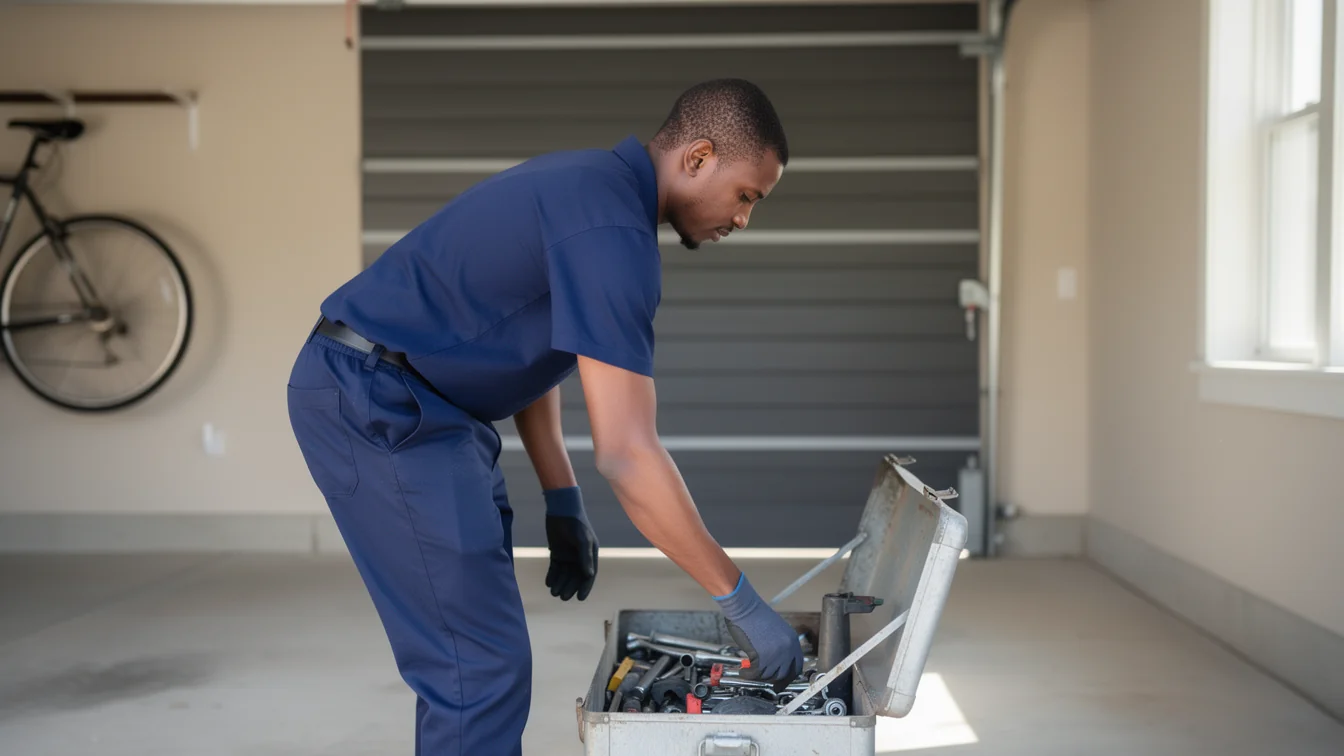
A look at what a Denham Springs Garage Door Pros service call actually involves, built around this area's 1980s-90s housing stock and mild, occasional-freeze climate.
Read more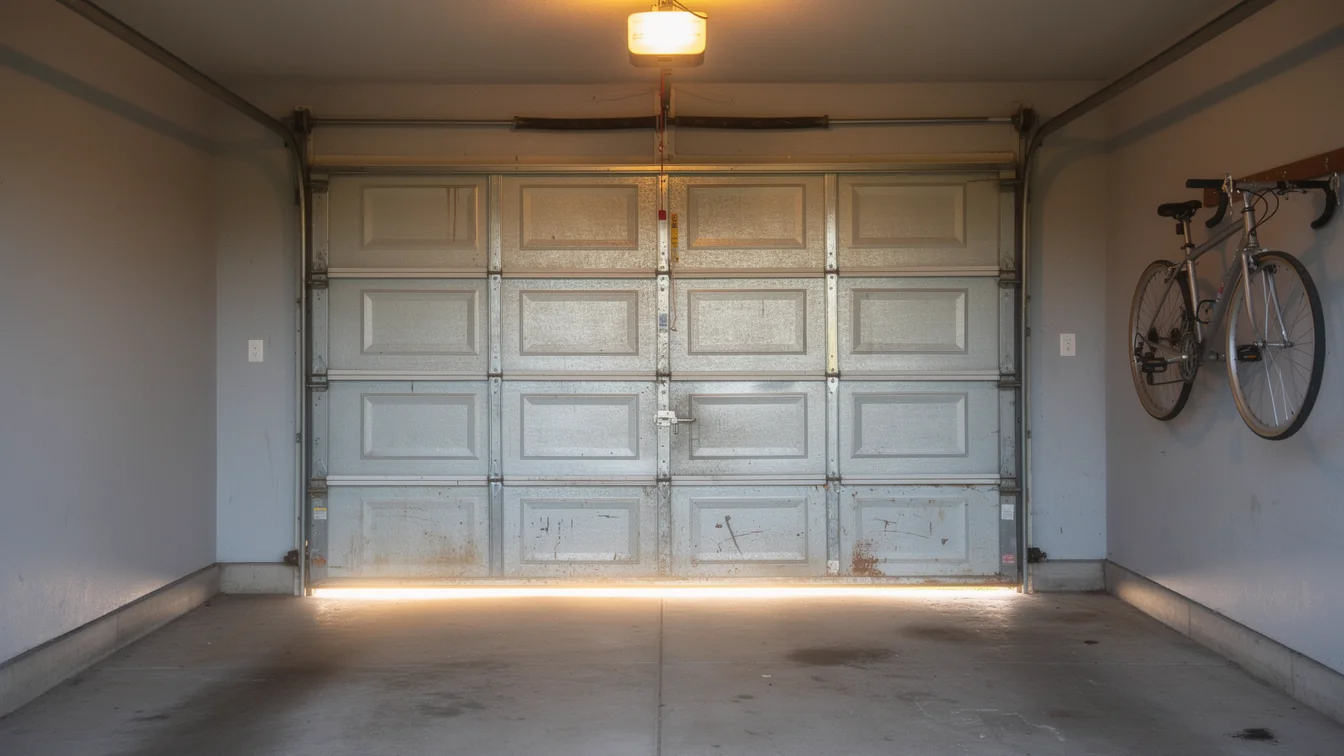
Denham Springs homes built 1962-2013 bring specific garage door wear patterns.
Read moreReady when you are
Denham Springs Garage Door Pros repairs and installs garage doors, springs and openers in Denham Springs, LA and the surrounding area.