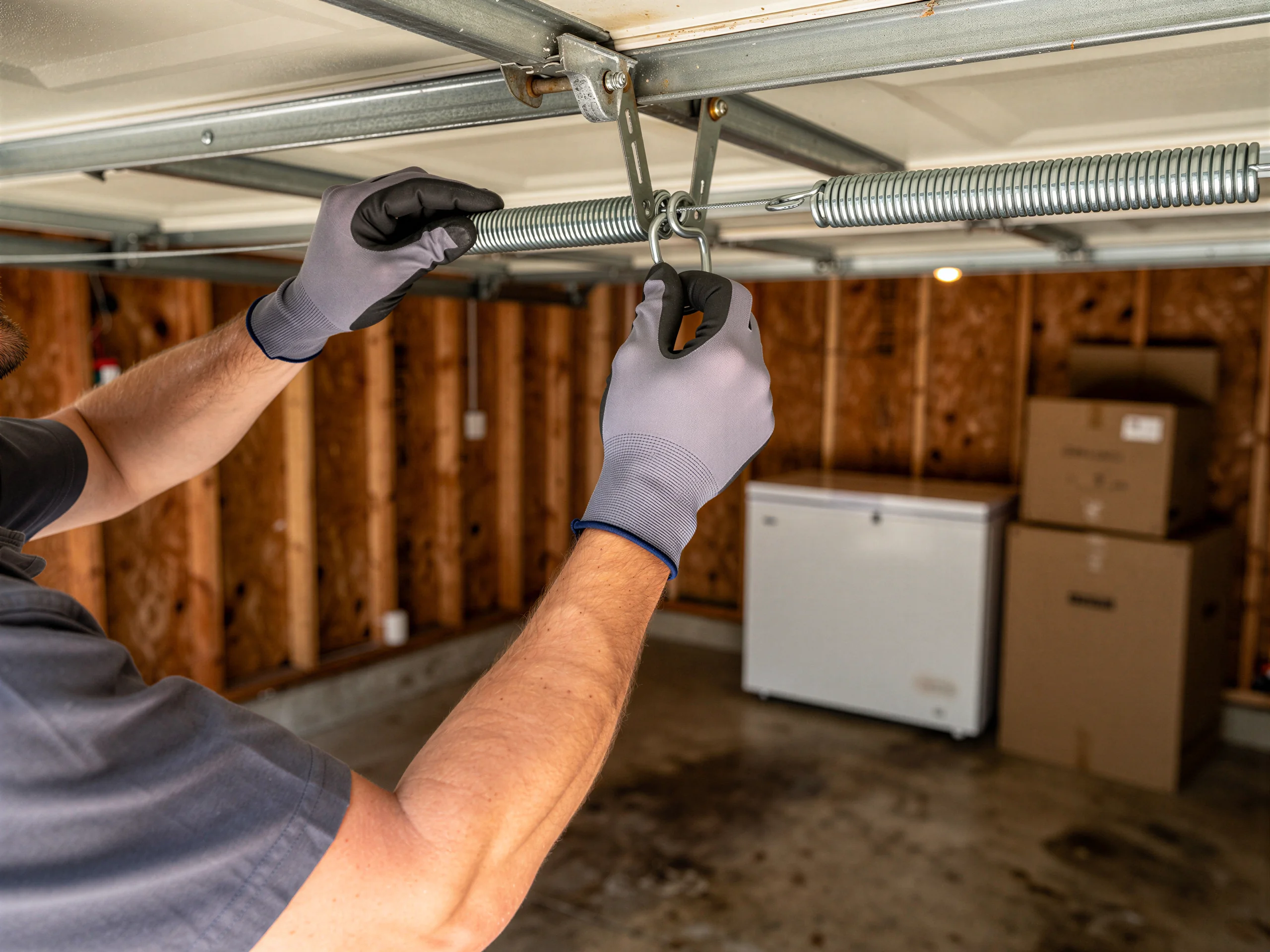
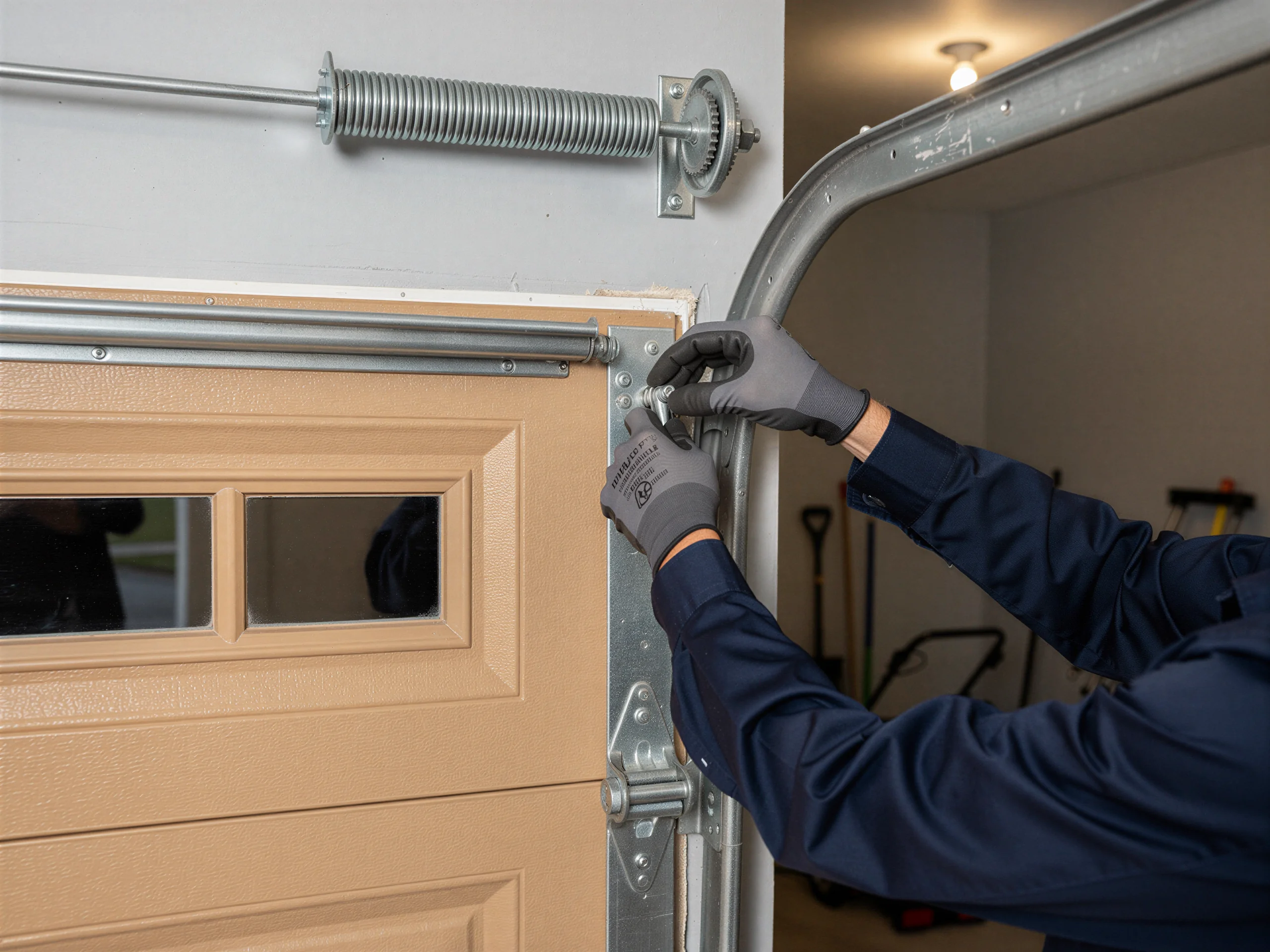
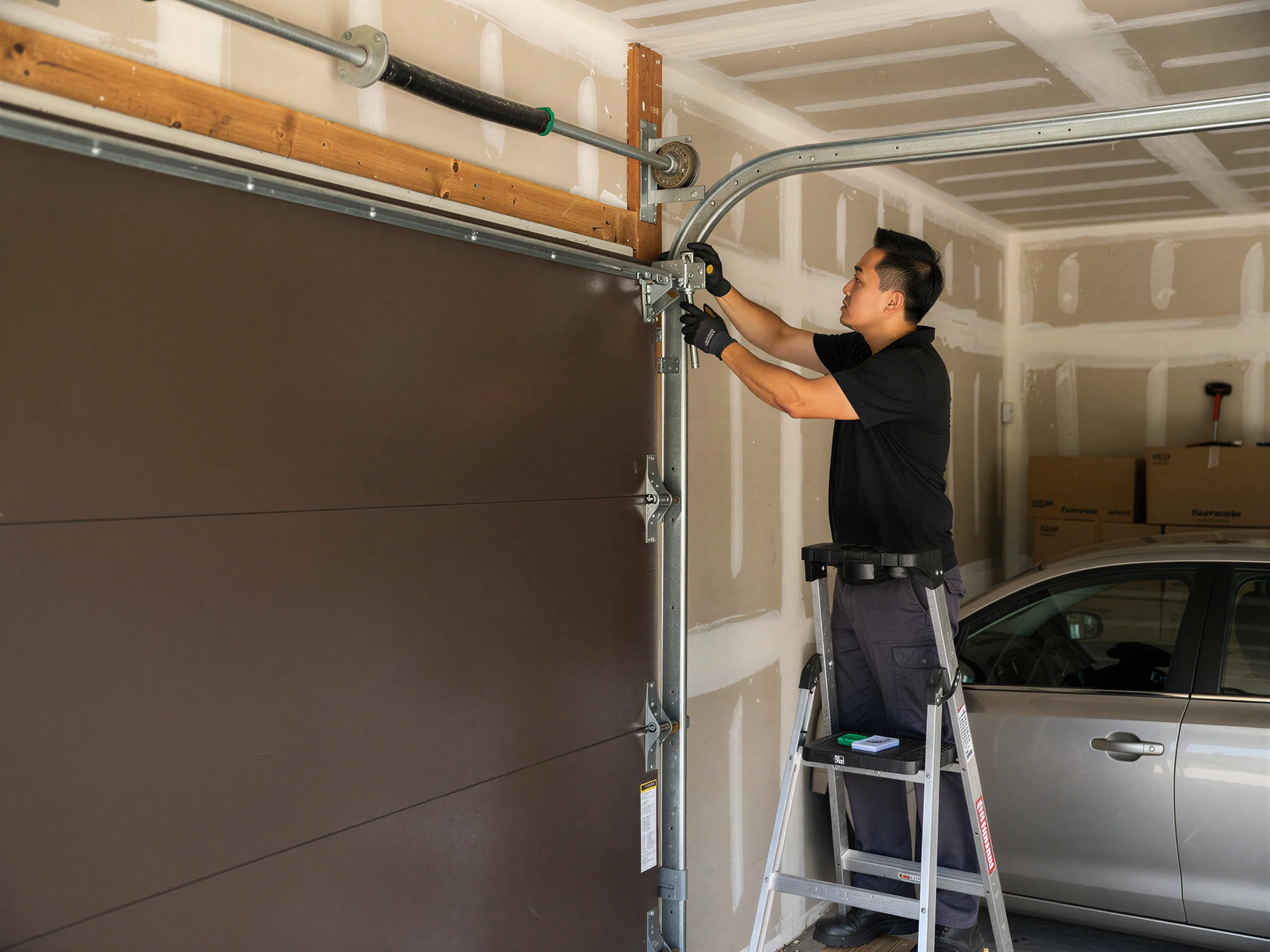
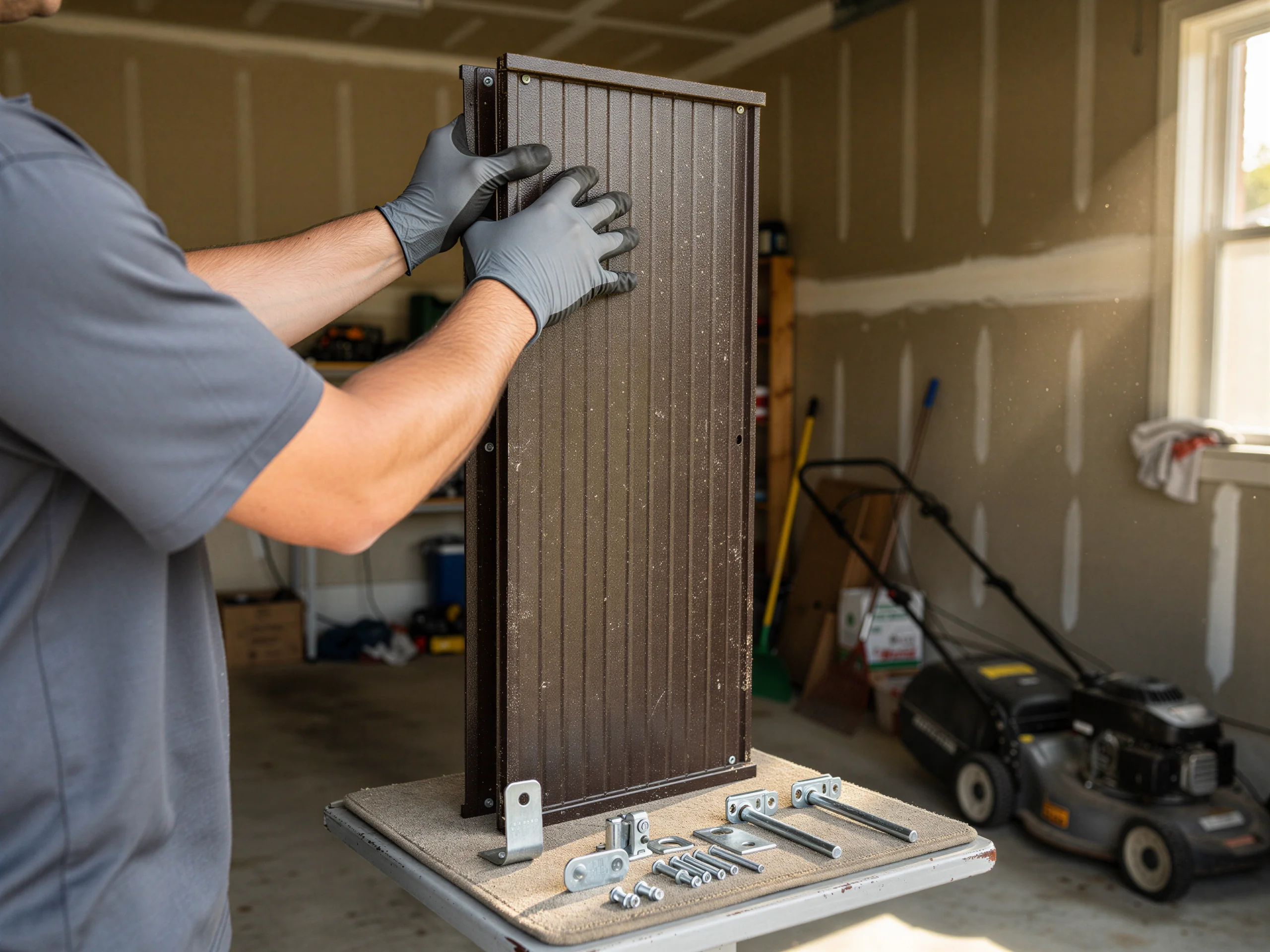
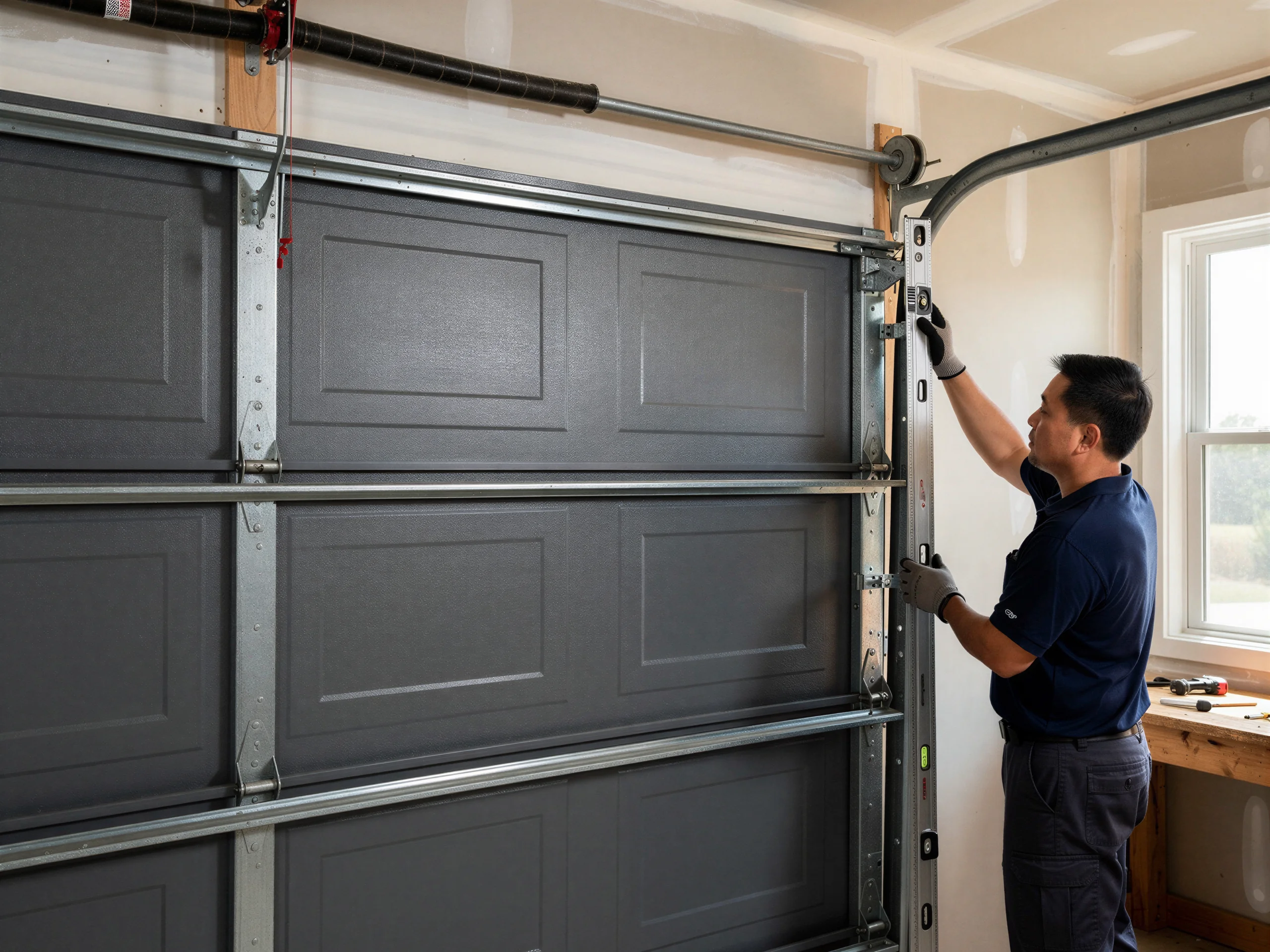
Most of the housing stock in this service area went up between 1962 and 2013, with the median build year landing around 1989 and the bulk of it clustered in the 1980s and 90s across the fourteen neighborhoods we cover. That matters because torsion springs are rated for a cycle count, not a calendar date, and a spring installed when a house was framed in, say, 1987 is now thirty-plus years into a part that's usually good for 10,000 to 15,000 cycles. Houses in this age bracket are hitting that wall at roughly the same time, which is why spring calls cluster the way they do.
The climate here adds a second stress. This area sits in a mild band that still gets the occasional freeze, and that swing matters more than people think. Steel contracts in a cold snap, and a spring that's already fatigued from decades of cycling is more likely to let go during or right after one of those cold mornings than on a warm one. It's not the cold alone - it's cold stacked on top of a spring that was already near the end of its life.
We see this pattern repeat across the whole service area, from houses near Monticello and Walker out to the older stock around Old Jefferson and Inniswold. The fix is almost always the same part failing for the same reason, just at a slightly different point in its life depending on when that specific block was built.