
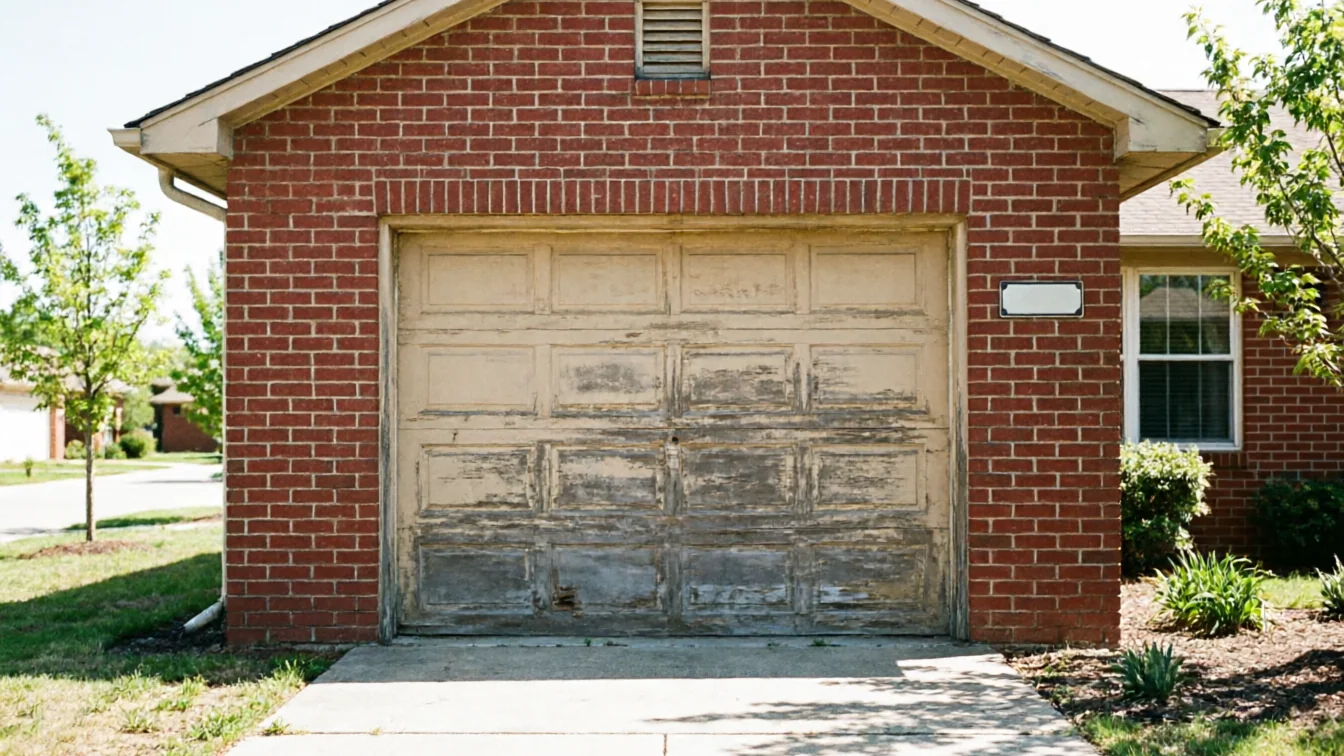
When a Denham Springs Garage Door Still Has Life Left
A look at when a Denham Springs garage door from the 1980s-90s building boom is worth repairing, based on local housing age, climate, and household numbers.
Read moreGrinding, popping, or a new squeal on your Denham Springs garage door usually traces back to its age and our climate. Here's how to tell what's serious.
Local detail
Most houses in the service area went up between 1962 and 2013, with the thick of it built around 1989, which means the hardware on a lot of these doors is now pushing toward the end of its working life. Springs lose tension slowly, rollers wear down in a way you can't see from the driveway, and galvanized coatings on cables and hinges thin out year by year. Across the 14 named areas that make up most of this stock, the typical door and opener combo dates to the 1980s and 90s, which is exactly the era when steel rollers without nylon sleeves were standard - and steel-on-steel is where a lot of the grinding and squealing starts. The climate here sits in a mild band with only occasional freezes, so you're not dealing with the ice-crack failures you'd see further north. What you get instead is humidity working on exposed metal year-round, which shows up as rust-dry squeaks more often than sudden snaps. A door built in 1989 with its original hardware has had three decades of that cycle. The noise is the hardware telling you where it's worn thin, not a random malfunction.
The area
We don't have a flat number to give you here, because what a noisy door costs to fix depends entirely on which part is making the sound - a dry hinge is a different job than a spring that's lost its temper. What we can tell you is that catching a noise early, before it becomes a door that won't move at all, almost always costs less than the emergency version of the same repair. With a median household income of $81,484 in the service area, most owners we talk to would rather spend on a maintenance call now than on an after-hours spring replacement later. If a shop quotes you a price over the phone before anyone's looked at the door, be skeptical - the honest answer to 'what will this cost' is 'let me see it first.' That's not us dodging the question, it's the nature of the work.
What we find
Not every sound means call today. A single squeak on an otherwise smooth cycle, especially after a stretch of humid weather, is often just a hinge or roller asking for lubricant. Because the climate band here is mild with only occasional freezes, you're unlikely to wake up to a door that's seized overnight the way homeowners further north sometimes do - so a new noise that shows up gradually, over weeks, usually gives you time to get it looked at rather than forcing an emergency. A rattle that only happens on the top panel near the opener arm is often loose hardware, not a structural problem, and tightening a bracket is a five-minute fix. The one thing worth noting honestly: we can't tell you over the phone whether your noise is the five-minute kind or the kind that ends in a spring letting go. If the door is still opening and closing on its own power and the noise isn't getting worse week to week, it's reasonable to wait for a scheduled visit instead of treating it as urgent.
How we work
A rhythmic thump as the door moves usually means a flat spot on a roller or a bent track section - common on doors that have been cycling since the 1980s or 90s, which is the bulk of the stock in this service area. A sharp pop, often right as the door starts to lift, is frequently a spring under uneven tension, and that's not a lubricate-it-and-wait situation. A low grinding sound that follows the door the whole way up or down points to the opener's gear or the track itself needing attention rather than the springs. Squealing that comes and goes with humidity is almost always rust forming on exposed metal, which tracks with a climate that's mild but not dry. With 18,278 owner-occupied houses across the service area, a large share of them built in that same multi-decade run, these four patterns account for most of the calls we get - it's rarely something stranger than one of these.
Questions
Usually not urgent. In this climate, humidity works on exposed hinges and rollers and shows up as a dry squeal rather than sudden failure. Lubricating the moving metal parts often quiets it. If the squeal turns into a grind or the door starts hesitating, that's when it's worth a closer look rather than another round of oil.
A spring issue usually comes with a sharp pop near the start of the lift and the door feeling heavier than usual, sometimes uneven on one side. An opener issue tends to sound more like a steady grind or chain slap the whole cycle. If you're not sure, don't keep running the door - a spring under uneven tension is not a wait-and-see part.
Likely, yes. Most housing in this service area was built between 1962 and 2013, with a lot of it dating to the late 1980s and 90s. Original hardware from that era - steel rollers, aging torsion springs - tends to get noisier well before it fails outright, which is actually the useful part: the sound is your warning.
Recommendation
More garage door guides for Denham Springs homeowners.
A look at when a Denham Springs garage door from the 1980s-90s building boom is worth repairing, based on local housing age, climate, and household numbers.
Read more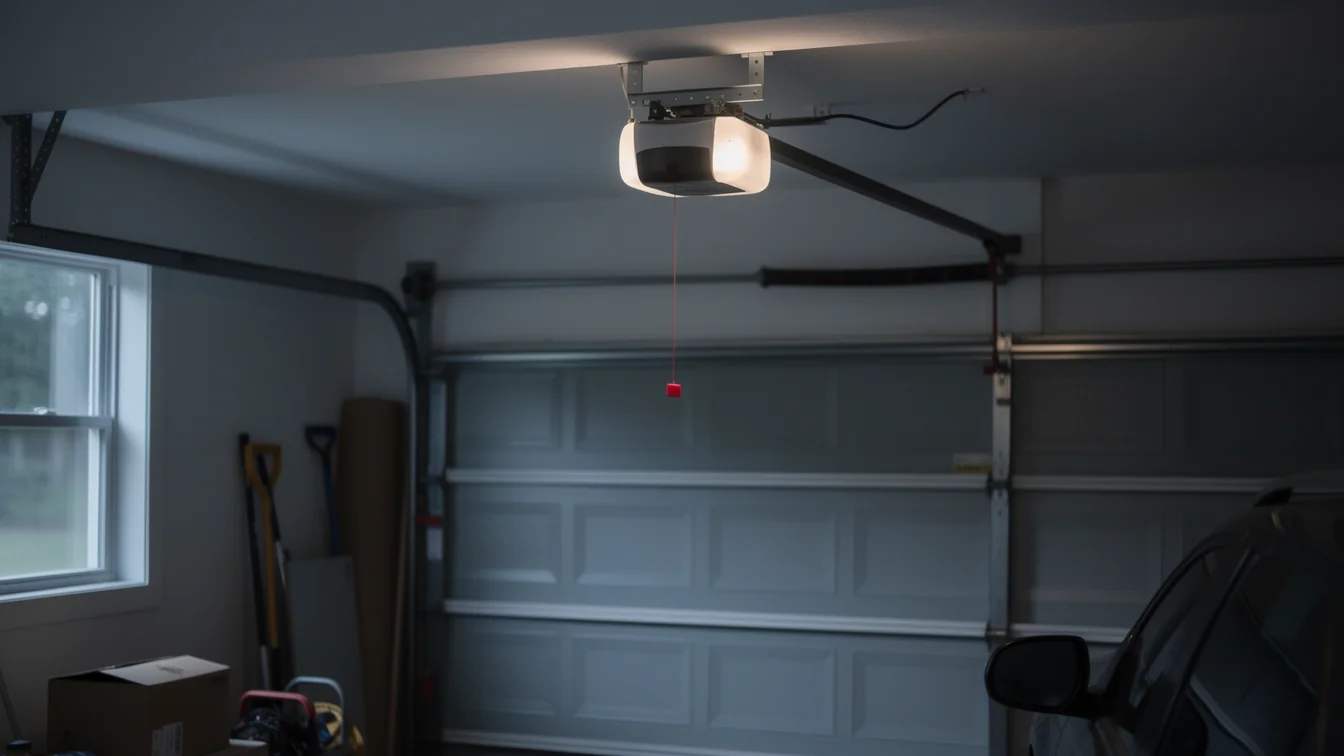
How Denham Springs' 1960s-2010s housing stock and mild, occasional-freeze climate affect opener wear and power-cut backup options for your garage door.
Read more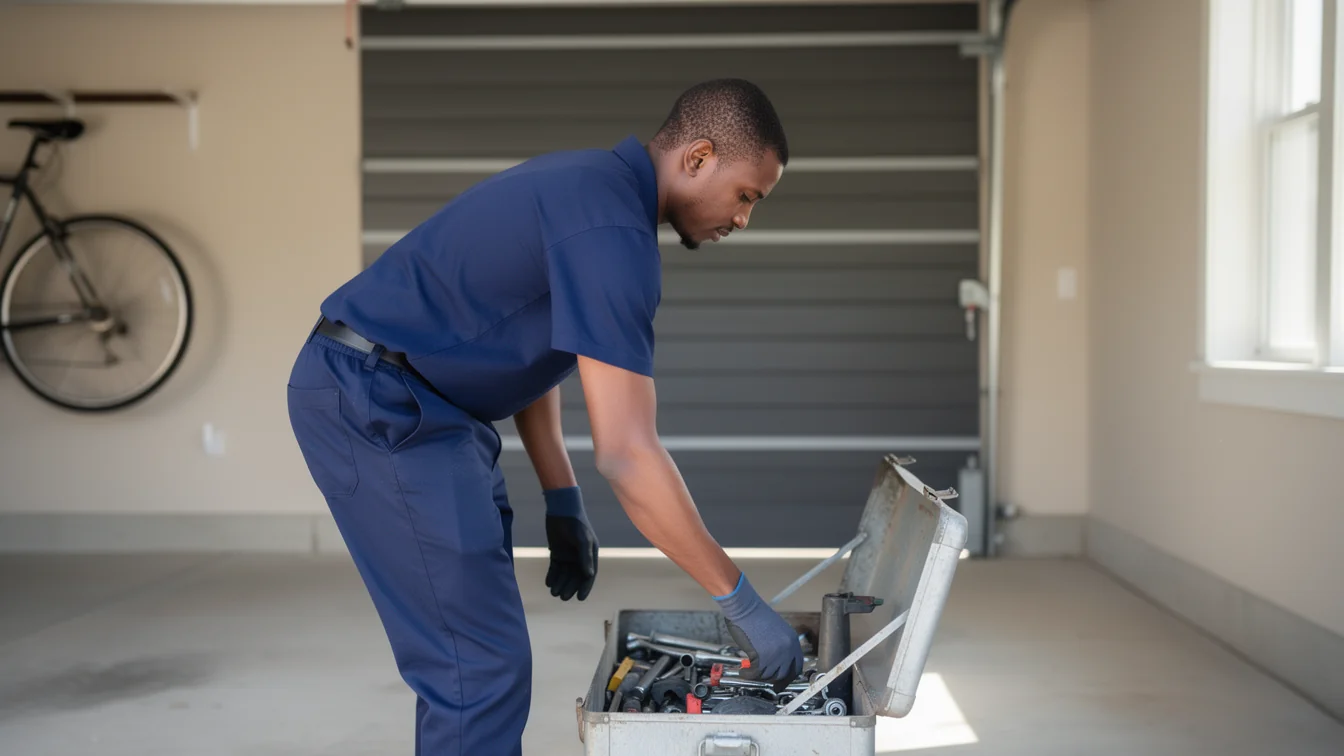
A look at what a Denham Springs Garage Door Pros service call actually involves, built around this area's 1980s-90s housing stock and mild, occasional-freeze climate.
Read moreReady when you are
Denham Springs Garage Door Pros repairs and installs garage doors, springs and openers in Denham Springs, LA and the surrounding area.